Signs Your Cortisol Is Dysregulated (And What to Actually Do About It)

This post contains affiliate links. Friendly reminder that I only share products I personally use and love, and think you would love, too.

Hiiii! How’s the day treating you? I have a couple of meetings this morning and packing because we’re seeing BTS this weekend (the girls are pumped).

For today, let’s talk about energy and cortisol. It’s a huge topic, something I talk about with clients a lot, and something that I struggled with for years.

For a long time, I thought I was just tired because of… life.

I had a full coaching schedule, was creating content, taking care of the girls, the Pilot was often traveling/deployed/working, trying to keep up with workouts, and doing all the things. Of course I was exhausted. Of course I was wired at night and dragging in the morning. That’s just life, right?

I remember going to the doctor when Liv was little (not my current PCP, it was a doctor on base) and she was like, “You have a toddler. Of course you feel horrible.”

It took me longer than I’d like to admit to realize that what I was experiencing wasn’t just a busy-life thing. It was a cortisol thing. And once I actually looked at my cortisol pattern – not just assumed everything was fine because my basic labs came back “normal” – so many things clicked into place.

If you’ve been feeling off and can’t quite put your finger on why, this post is for youuuuuu. We’re going to talk about what cortisol actually does, the signs it’s out of balance, what drives dysregulation in the first place, and what’s genuinely helped me, including the test I wish I’d run years earlier.

Signs Your Cortisol Is Dysregulated (And What to Actually Do About It)

First, What Is Cortisol Actually Doing?

Cortisol gets a bad reputation as the “stress hormone,” but it’s not inherently the enemy. It’s produced by your adrenal glands and plays a critical role in almost every system in your body: energy metabolism, blood sugar regulation, immune function, inflammation response, and your sleep-wake cycle.

In a healthy pattern, cortisol follows a predictable daily rhythm: it peaks in the morning (this is what helps you wake up and feel alert to start the day), gradually declines throughout the day, and reaches its lowest point at night so you can fall and stay asleep. That curve is everything. When it’s working, you feel like yourself: energized when you need to be, able to wind down when it’s time.

When it’s not working? That’s when things get a lil messy.

Cortisol dysregulation doesn’t just mean “too high” or “too low.” It means the pattern is off and there are actually several different ways that can look. You might have high morning cortisol and crash by noon. You might have a flat curve with low cortisol all day. You might have low morning levels and a spike at night (hello, second wind at 10pm that makes no sense but makes you want to redecorate your whole house). Each pattern has different root causes and different solutions, which is exactly why a standard blood test that only checks cortisol at one point in time tells you so little.

cortisol pattern

Signs Your Cortisol Pattern May Be Off

These aren’t rare or extreme symptoms. A lot of them sound like everyday life, especially when you’re a busy mom and juggling a billion things, which is part of why cortisol dysregulation goes unaddressed for so long.

You’re exhausted in the morning no matter how much you slept. If you wake up unrefreshed, need multiple alarms, or feel like you could go right back to sleep after 8 hours, low morning cortisol may be part of the picture. Cortisol is supposed to rise sharply in the first 30–45 minutes after waking (this is called the cortisol awakening response). When it doesn’t, mornings feel BRUTAL. (I think this is why I hated the morning for so long lol.)

You get a “second wind” late at night. You’re dragging all evening, then suddenly feel awake and alert around 9 or 10pm when you should be winding down. This is often a sign of elevated cortisol at night; the opposite of where it should be on the curve.

You crash in the afternoon. The 2–3pm energy dip affects a lot of people, but if it’s consistently debilitating – like you genuinely cannot function without caffeine, a boatload of sugar, or a nap – it’s worth looking at what your cortisol is doing mid-day.

You feel anxious for no clear reason. Elevated cortisol, especially in a dysregulated pattern, can show up as low-grade anxiety, a feeling of being “on edge,” or an inability to feel calm even when nothing is actively wrong.

Your sleep is light, fragmented, or you wake between 2–4am. Cortisol and melatonin work in opposition — when cortisol rises at night, it suppresses melatonin. Night wakings, especially in the early morning hours, are a classic sign of cortisol dysregulation. (Note that it can be other things, too, like liver/detox, blood sugar imbalance, poor sleep hygeine, parasites, hormones, etc.)

You hold weight around your midsection despite eating well and exercising. Chronically elevated cortisol signals the body to store fat, particularly visceral fat in the abdominal area. If you’re doing everything “right” and still struggling with this, cortisol is worth investigating.

Your hunger and cravings feel out of control. Cortisol raises blood sugar (it’s preparing you to fight or flee), and when blood sugar swings happen repeatedly throughout the day, cravings go wiiiiiild.

You feel “tired but wired.” This one is so common and so uncomfortable. You’re exhausted, but you can’t relax. You can’t turn your brain off. You feel depleted but somehow still keyed up. This is often a sign of high cortisol at the wrong times of day.

You’re getting sick more often. Cortisol has a complex relationship with immune function. Short-term, it’s anti-inflammatory. But chronically elevated or chronically low cortisol both compromise immune resilience over time.

Your cycle is irregular, or your PMS has gotten worse. Cortisol and sex hormones share the same precursors. When your body is under prolonged stress, it prioritizes cortisol production, sometimes at the expense of progesterone. This is sometimes called “progesterone steal” and it can show up as shorter luteal phases, worse PMS, irregular cycles, and more.

How to Stay in Shape During the Holidays

What Causes Cortisol to Get Out of Balance?

This is where I want to be really honest: most of us are doing multiple things that dysregulate cortisol without realizing it.

Chronic stress (obvious, but worth a mention). Your nervous system doesn’t differentiate between a work deadline, a difficult relationship, a scary news cycle, or a near-miss in traffic. Prolonged activation of the stress response keeps cortisol elevated over time, and eventually the adrenals struggle to keep up.

Poor sleep. Cortisol and sleep have a bidirectional relationship – poor sleep disrupts your cortisol rhythm, and dysregulated cortisol disrupts your sleep. Once you’re in this loop, it compounds quickly.

Blood sugar swings. Every time your blood sugar drops, your body uses cortisol to bring it back up. Eating lots of refined carbs, skipping meals, or going too long without eating creates a blood sugar rollercoaster that keeps cortisol in constant demand.

Over-exercising or under-recovering. Exercise is a stressor (a beneficial one!), but high-intensity training without adequate recovery raises cortisol. If you’re doing back-to-back hard workouts, not sleeping enough, and not eating enough protein, your cortisol is working overtime.

Caffeine timing and quantity. Caffeine spikes cortisol. Having coffee first thing in the morning when cortisol is naturally peaking can amplify the curve in ways that make the afternoon crash worse. This was one I’ve had to work on personally, and I ended up cutting out caffeine entirely. (I drink mold-free decaf coffee instead!)

Gut and inflammatory issues. Anything that creates systemic inflammation – gut dysbiosis, food sensitivities, chronic infections – activates the stress response and keeps cortisol elevated.

Emotional and relational stress. This one is easy to minimize because it doesn’t feel “physical,” but unresolved stress, grief, caretaking without support, and difficult relationships are real adrenal loads.

How I Actually Found Out What My Cortisol Was Doing

Here’s where I’ll tell you what I wish I’d done sooner: I ran a test that actually looked at my cortisol throughout the day, not just at one point in time.

The test I use and recommend is the EquiLife Women’s Wellness Test – a saliva-based test that measures estrogen, progesterone, and four cortisol markers throughout the day. Saliva testing is ideal for cortisol because it captures the free (bioavailable) cortisol at multiple time points, giving you the actual curve; not a snapshot. Seeing whether your cortisol is high in the morning, crashing by noon, flat all day, or spiking at night completely changes what you do about it. It’s also one of the least expensive functional labs we offer.

What I also love about this particular test is that it pairs the cortisol picture with estrogen and progesterone levels. Because these hormones don’t exist in isolation: they talk to each other, they share resources, and understanding the full hormonal picture is so much more useful than looking at one marker in isolation.

If you want to run this test and go over your results together, I’m offering complimentary results reviews – no coaching fee. You can grab the EquiLife Women’s Wellness Test here and then reach out so I can add you to my client portal (gina@fitnessista.com subject: TEST). I’d love to help you make sense of what you’re looking at.

What’s Actually Helped Me Support My Adrenals

I want to be clear: there’s no single supplement or gadget that fixes a dysregulated cortisol pattern. The foundation is always lifestyle: sleep, blood sugar stability, stress management, movement that matches your current capacity. But once that foundation is in place, there are some tools that have meaningfully moved the needle for me.

EquiLife Adrenal Soothe

This is a supplement formulated specifically for adrenal support, with adaptogenic herbs that help the body modulate its stress response. It’s super calming without making you feel foggy. My evening cortisol used to be high until I added this to my evening routine. You can check it out here.

CBD Gummies

CBD has been one a tool in my routine for supporting a calmer nervous system, particularly in the evenings.  I use Cured Nutrition (half a gummy, one to two times a week if I’m feeling stressed or wired) and notice a huge difference when I take them. Look for a brand that’s third-party tested and transparent about sourcing.

Lumebox (Red Light Therapy)

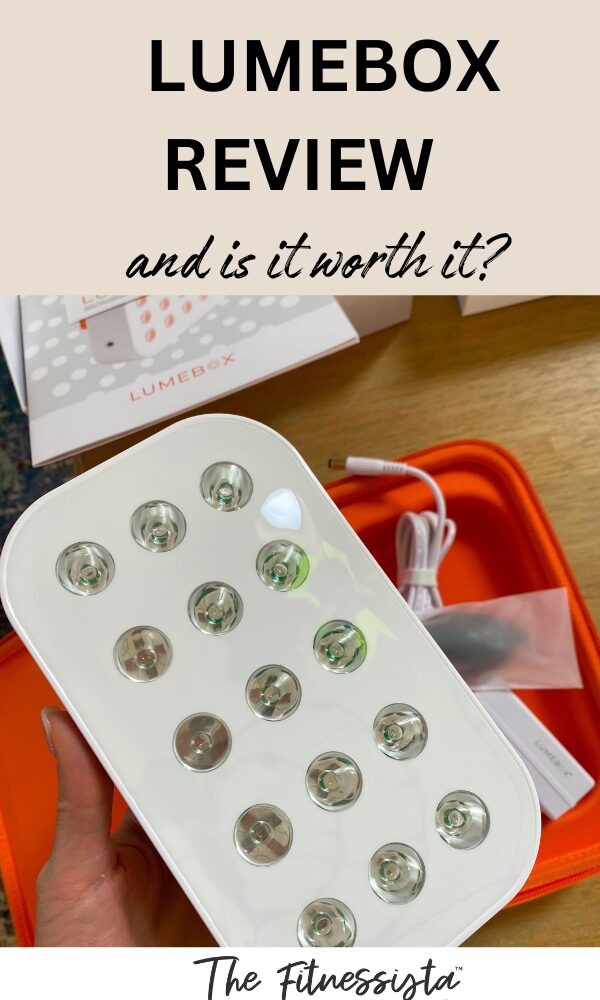
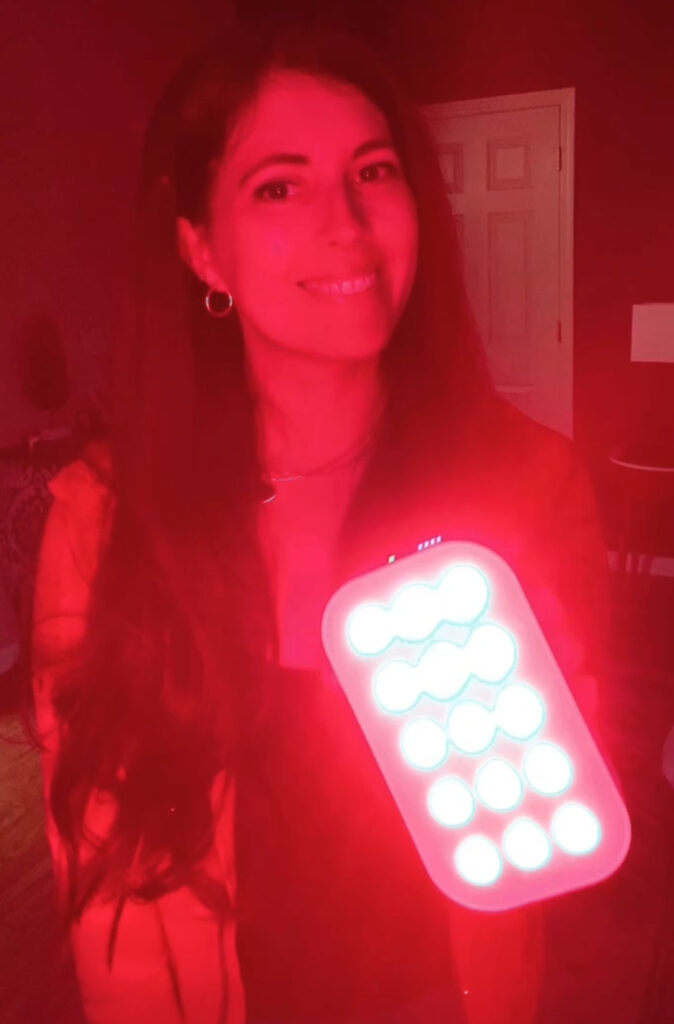
Red light therapy supports mitochondrial function and has solid research behind its effects on cortisol regulation and sleep quality. I use my Lumebox most mornings. It’s one of my favorite parts of my morning routine, and sometimes I’ll just prop it on my desk while I’m working. Morning red light exposure also helps anchor your circadian rhythm, which is directly tied to that healthy cortisol curve! Use FITNESSISTA for an amazing discount here.

PEMF Mat

PEMF (pulsed electromagnetic field therapy) is one of those things I was skeptical about until I tried it consistently. The research on PEMF and stress response is fascinatinhg – it works at a cellular level to support nervous system regulation, reduce inflammation, and improve sleep quality. I use mine in the evenings as a way to signal to my body that it’s time to downshift or I’ll use it in the morning for meditation. This is my favorite one and my code is FITNESSISTA

Where to Start If This Resonates

If you read through that symptom list and found yourself nodding along, here’s what I’d suggest:

Start with the basics. Before anything else: are you sleeping 7–9 hours, eating protein at every meal, managing your caffeine timing, and building in actual rest? These aren’t glamorous answers, but they move cortisol more than almost anything else.

Consider testing. You can’t really optimize what you can’t see. If you’re dealing with multiple symptoms and have been for a while, running the EquiLife Women’s Wellness Test will give you an actual picture of what your cortisol is doing throughout the day and we can go through the results together! Grab it here.

Look at your exercise. If you’re consistently doing high-intensity workouts and feeling more depleted than energized, this is worth reconsidering. Lower-intensity movement – walking, Pilates, yoga – is often much better for adrenal recovery than more HIIT. I LOVE Sculpt Society workouts. They give me an amazing burn but I don’t feel depleted afterwards.

Spring Forward Wellness Challenge

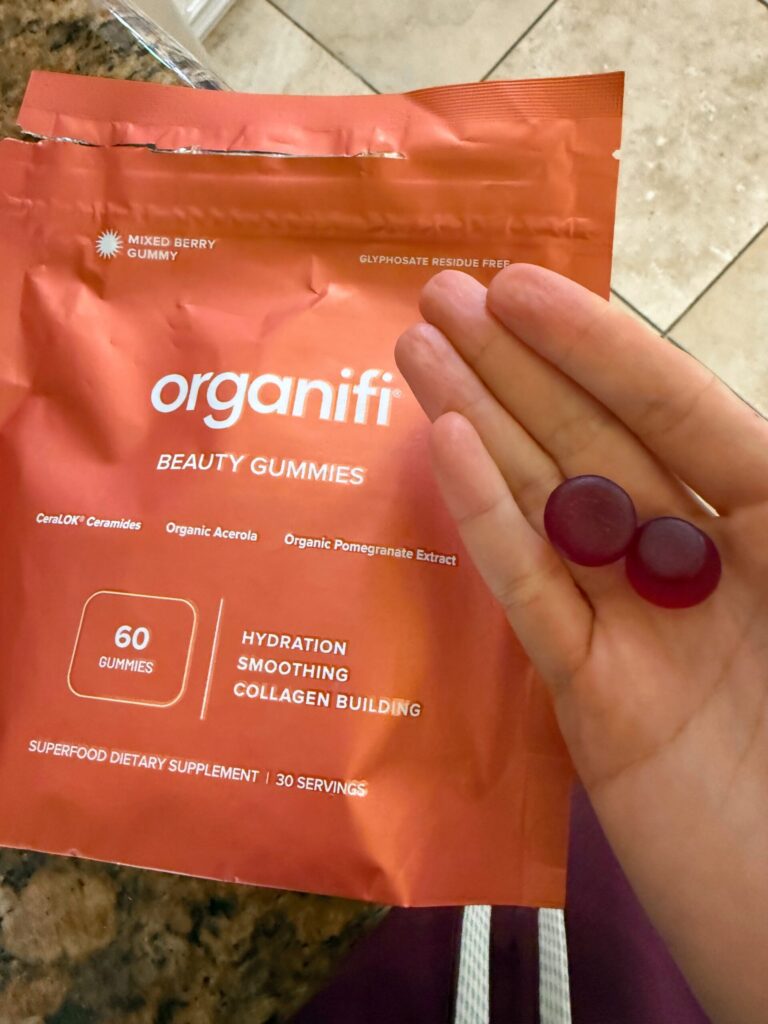
Work on your wind-down. Whatever works for you and helps you feel calm and wind down. For me that’s a combination of red light glasses, putting the phone down earlier than I’d like to and swapping it for a book, the PEMF mat, and my CBD gummies on the nights that I’m feeling extra stressed or wired. Find what works for you and protect that time! I also love an Organifi Golden Milk with some warm almond milk.

Be patient with yourself. This is probably the most important one. Cortisol dysregulation usually develops over months or years. It doesn’t resolve in a week (unfortunately). The good news is that the pattern can absolutely shift, and when it does, you feel like a different person.

I genuinely wish someone had handed me this information years ago. Once you understand what’s driving your symptoms, you have so much more power to address them, instead of guessing with supplements and trying to push through.

If you have questions, drop them in the comments. If you want to run your labs and go over the results together, lmk – I’m here!

xo,

Gina

This post is for educational purposes and is not intended as medical advice. Always work with your healthcare provider for diagnosis and treatment.

The post Signs Your Cortisol Is Dysregulated (And What to Actually Do About It) appeared first on The Fitnessista.


from The Fitnessista https://ift.tt/QO9pnbS
https://ift.tt/DZkqYTs

IHP Certification Review: What I Learned, What It Costs, and Is It Worth It (2026)

Last updated: 2026 | This post contains affiliate links. If you enroll through my link and use the code FITNESSISTA, you’ll get up to $250 off and I may earn a commission at no extra cost to you.

Hiiii friends! I hope you had a wonderful weekend and that you’re enjoying the morning. Today I wanted to chat about one of my favorite topics: IHP.

If you’ve been following along here for a while, you know that I’ve spent years building out my nutrition and fitness coaching practice and that I’m someone who genuinely loves learning. I’ve collected a lot of certifications over the years (Precision Nutrition, NASM Personal Trainer, Weight Loss Specialist, Women’s Fitness Specialist, Corrective Exercise Specialist, 200-hour yoga RYT, and more), and each one has added something meaningful to the way I work with clients.

But there was always a gap.

Working with nutrition clients online, I kept running into situations where I knew something deeper was going on – a hormonal imbalance, a gut issue, a mineral deficiency – and all I could do was refer out. Suggesting specific labs or interpreting test results is simply not within the scope of practice for a nutrition coach or personal trainer. I’d added other practitioners to my team who could run those tests, but as my online practice grew, I wanted to be able to do this work myself.

IHP certification

That’s what led me to the Integrative Health Practitioner (IHP) certification, and after completing both Level 1 and Level 2 (over 100 hours of coursework, continuing education, and some very challenging tests later), I can give you a thorough, honest picture of what to expect.

Interested in Enrolling? Start Here.

Use code FITNESSISTA for $100 off Level 1, or $250 off both levels.

IHP Certification Review: What I Learned, What It Costs, and Is It Worth It (2026)

What Is the IHP Certification?

The Integrative Health Practitioner certification was created by Dr. Stephen Cabral, a Board Certified Doctor of Naturopathy, founder of EquiLife and the Integrative Health Practitioner Institute, and author of the international bestseller The Rain Barrel Effect. (If you haven’t read it yet, get it. It’s free!) After nearly 20 years, over 600,000 pages of research, dozens of certifications in the natural health field, and over a quarter of a million private client sessions…. Dr. Cabral is the real deal.

I’d been following him on Instagram for a couple of years and had him as a guest on the podcast before I enrolled. When we wrapped up the podcast, I knew I wanted to learn as much as I could from him, and when the partnership came together, I took it as a sign that the timing was finally right.

The program is built on 7 integrative disciplines:

Ayurvedic medicine – the science of life and body-typing

Bioregulatory medicine – the science of self-healing and rebalancing

Chinese medicine and herbalism – unlocking nature’s healing wisdom

Eastern philosophy – using the mind to heal the body

Traditional naturopathy – “right living” to reverse illness

Orthomolecular medicine – vitamins and minerals as medicine

Functional medicine – state-of-the-art lab testing to uncover underlying root causes

Everything is taught by Dr. Cabral himself, and I genuinely enjoyed the way he presents complex information, making it accessible and easy to implement. His real-world clinical experience is invaluable, and it comes through in every lesson.

Reimagining Health Summit Recap

The Two Levels: What’s the Difference?

IHP Level 1: The DESTRESS Protocol

Level 1 focuses on Dr. Cabral’s DESTRESS method: a root-cause lifestyle framework built around Diet, Exercise, Stress management, Toxin removal, Rest, Emotional balance, Supplementation, and Success mindset.

Each lesson runs about 30 minutes, and Dr. Cabral includes suggested reading, complementary podcast episodes, and tons of client-ready handouts and resources throughout. The full Level 1 course can take around 6 months depending on your pace. It’s super comprehensive.

I loved Level 1. I found myself learning something valuable from every single lesson. But it’s the big-picture foundation and it builds your framework and vocabulary. The application really comes in Level 2.

Want the full breakdown? Read my complete IHP Level 1 review here.

IHP Level 2: Functional Labs

This is where things got really exciting for me. During each module I kept thinking: this is exactly what I want to learn. This is how I want to help my clients.

Level 2 is almost entirely focused on functional medicine labs. You learn how to recommend specific home lab tests, analyze results, and suggest action plans based on what you find.

Here’s what’s covered:

Food Sensitivity Testing: IgG reactions to 190 foods on a scale from not significant to high. These are sensitivities (not allergies) and can show up as headaches, joint pain, skin rashes, poor mood, and more.

Parasite and Bacteria Stool Testing:  key gut bacteria and parasite markers connected to brain fog, low energy, body pain, and headaches.

Organic Acids (OAT): an evaluation of intestinal yeast and bacteria that can contribute to fatigue, behavior issues, immune dysfunction, and more. Many people with chronic illness and neurological issues show up here. I run this test with clients almost every single day.

Omega-3 Testing – your Omega-6 to Omega-3 ratio, which has real implications for heart health, inflammation, mood, energy, skin, and muscle and joint pain. (Fun fact: research shows that when Omega-3 levels in the blood reach 9% or more, the risk of sudden cardiac death drops dramatically. That alone was eye-opening.)

Adrenal Hormone Testing – estrogen, progesterone, and cortisol patterns throughout the day.

Thyroid Adrenal Hormone Testing – adds testosterone, DHEA, thyroid markers (T4, T3, TSH, TPO antibodies), insulin, A1C, and vitamin D. Weight loss has far more to do with hormone balance and metabolism than most people realize.

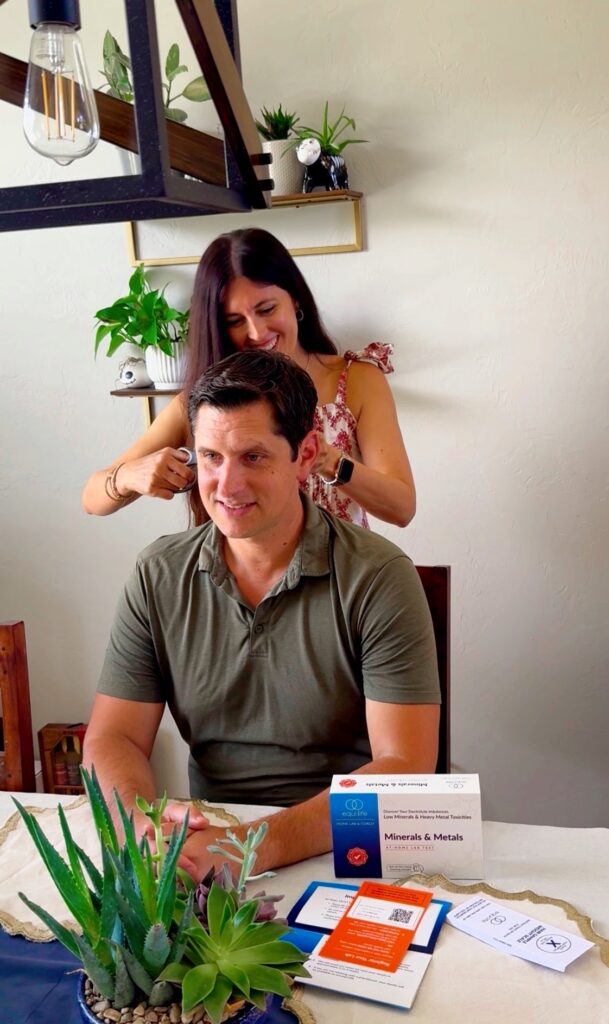
HTMA (Hair Tissue Mineral Analysis) – a foundational lab using just a hair sample that looks at mineral levels, electrolytes, and toxic heavy metals, and gives insight into how your body is responding to stress and whether you’re a slow or fast oxidizer.

Note: these labs are not intended to diagnose, prevent, treat, or cure any disease, but they provide incredibly specific and actionable information about your individual body. I actually love this aspect of the labs; we’re looking for underlying imbalances but nothing scary.

About two-thirds of the way through Level 2, I realized that if I kept trying to master every module before moving on, I’d never finish, because you could honestly spend a lifetime going deep on any one of these tests. The best way to really learn this material is to do it: read real results, re-watch the relevant module as you go through each marker, and keep layering in podcasts, books, and continuing education. That’s still how I approach it.

For the full Level 2 breakdown, read my IHP Level 2 review here

How Much Does the IHP Cost?

Pricing can change, so I always recommend checking current enrollment details directly.

That said:

Level 1 is the lower-cost entry point, with payment plan options available

Both levels together is where the bigger investment (and bigger discount) comes in. I think that Level 2 is ABSOLUTELY worth it. (Worth saying here that I’m currently working my way through Level 3 and loving every second)

Use code FITNESSISTA for $100 off Level 1, or $250 off both levels

IHP also periodically runs enrollment specials, so it’s worth keeping an eye out if timing is a factor for you.

For context on value: the functional lab training alone – something very few coach-level certifications offer at this depth – would cost significantly more if pursued through individual courses or clinical training programs.

What I Actually Love About the IHP Program

It fills a real gap in traditional health coaching. As a nutrition coach and personal trainer, there’s a hard ceiling on how deep you can go with clients. The IHP certification – especially Level 2 – gave me tools to actually get to root causes, not just offer general lifestyle guidance.

Dr. Cabral is genuinely one of the good ones. If you follow him on Instagram or listen to his podcast, you already know this. He’s incredibly knowledgeable, but you can also just tell that he’s a genuinely good person who truly wants to help people heal. That comes through in every lesson.

The support structure is excellent. There’s a private Facebook group for IHP candidates and certified practitioners, live Zoom Q&A calls, and – for Level 2 graduates who complete an additional mentorship program – they’ll even refer clients to you directly. The handouts and resources are another huge plus; Dr. Cabral shares the exact protocols he uses in his own practice, which makes it easy to start implementing with clients right away.

Self-paced with lifetime access. No cohort deadlines to stress over. You can move quickly when life allows and slow down when it doesn’t. (This is why it’s taken me 18 years to complete Level 3 lol.) They’re also constantly adding new modules, handouts, and content to the platform.

You don’t need a health background to start. We have IHPs who completely changed careers because of this program, and also physical therapists, nurses, doctors, personal trainers, and dental professionals. It truly spans backgrounds.

The mission behind it is beautiful. The idea is that you heal yourself and then go on to heal others. That’s something I believe in completely, and it’s been extra meaningful to me as I’ve been on my own healing journey.

What I’d Tell You to Know Going In

The lessons require your full attention. This was my only real frustration: Dr. Cabral goes into a lot of information (even more so in Level 2), and I felt like I needed to be at my desk taking notes, not listening on a walk or during a commute. The upside is it forces you to actually absorb the material, but you can’t blast through it as quickly as you might want to.

It’s not a clinical credential. The IHP does not give you the authority to diagnose, treat, or prescribe. This is true of all health coaching certifications, and it’s something to go in knowing. You’re working within the scope of a health practitioner, which is still meaningful and impactful; it’s just a different lane than medicine.

You’ll need to purchase your own insurance after Level 2. Most grads go through a company like Alternative Balance. It’s fairly easy to set up, but it’s an ongoing cost to factor into your planning. (I think I pay about $160/year)

It takes real time. Level 1 typically takes around 6 months; Level 2 can take 6 months to a year. There’s no shortcut, and honestly, that’s appropriate for the amount of material covered.

Is the IHP Worth It in 2026?

For me, 10000% yes.

I want to be honest about why, though. I came to this already working in the health space, with a specific gap I needed to fill and a genuine passion for this type of work. IHP filled that gap. I’ve been able to add a new layer to my 1:1 coaching, work with family members and friends using these tools, and deepen my own healing process with knowledge I didn’t have before. (The timing was extra meaningful for me personally. Dealing with some unexpected health issues of my own made the functional lab material feel incredibly relevant.)

I’ve also been the person who was told “nothing is wrong” or “you’ll just have to live with it” by multiple physicians. I know firsthand how much it matters to have someone in your corner who thinks in root causes, who doesn’t give up on you when standard labs look “normal.” That’s the kind of practitioner I want to be, and IHP gave me real tools to get there.

If you’re a health professional looking for another way to serve your clients, or if you’re someone who wants to heal yourself and then help the people around you, I genuinely can’t recommend this program enough. I’d do both levels, especially if functional labs are your goal. That’s where the real magic happens.

Check out the IHP program and use code FITNESSISTA for up to $250 off

I only recommend programs I’ve personally completed and believe in. Enrolling through my link supports this blog at no extra cost to you.

Quick FAQs

Do I need a health background to enroll?

Nope! The program is open to everyone: career changers, health professionals, and genuinely curious people alike.

Can I just do Level 1?

Yes. Level 1 is its own certification. But if functional lab work is your goal, you’ll want both levels. I’d start with Level 1 to make sure the material resonates, then continue to Level 2. (If you purchase both at the same time, the pricing is better, though.)

How long does it take to finish?

Level 1 is typically around 6 months at a comfortable pace; Level 2 is similar or a bit longer. There’s no time limit, so you can go at whatever pace works for your life.

What can I actually do with this certification?

You can add functional health coaching to your existing practice, create new 1:1 or group offerings, use it to deepen your own personal health knowledge, and contribute to content you create. Level 2 graduates also have the option to receive client referrals through the IHP network.

Is there community support while you’re going through it?

Yes! The private Facebook group is active and genuinely helpful. And Dr. Cabral’s podcast (The Cabral Concept) is an ongoing resource that I still use regularly.

Check out the details here and my code is FITNESSISTA for your discount

Have questions about the IHP that I didn’t cover here? Drop them in the comments. I read every single one and am happy to help!

xo,

Gina

I’ll be updating this post annually to reflect any changes in pricing, curriculum, or program details.

The post IHP Certification Review: What I Learned, What It Costs, and Is It Worth It (2026) appeared first on The Fitnessista.


from The Fitnessista https://ift.tt/Us8TB0G
https://ift.tt/7aOnKfm

4.24 Friday Faves

Hiiii! Happy Friday! What are you up to this weekend? We have a fun NCL event and then we’re headed off to Vegas for a night! The last time we took the girls, P was a baby and Liv was a preschooler, so they don’t really remember it. While it’s not exactly a *kid place,* there is a lot of fun stuff for kids to do. I’m excited to take them to Omega Mart, see a show, and introduce them to the glory of the Wynn buffet. I’d love to hear what you have going on!

(a rat in the garden)

It’s time for the weekly Friday Faves roundup! This is where I share some of my favorite finds from the week and around the web. I always love hearing about your faves, too, so please shout out something you’re loving in the comments section below.

4.24 Friday Faves

Fashion, beauty, random:

The latest Vivrelle delivery is heeere and she’s a beauty. I had to pick it up from a UPS point because I was on a call when they tried to deliver it, but it was worth the wait. If you’ve been wanting to try it, it’s an amazing opportunity to borrow luxury handbags and jewelry, try new brands, and enjoy the experience. Just fill out a short application here and use GINAHARNEY for your first month free. I hope you love it as much as I do!

Special delivery from OneSkin. I use OneSkin products every day and can’t wait to try their new tinted lip protect (it has SPF as well as their OS-01 peptide) and their overnight mask is one of my staples. Check it out here!

Pool day with the Pilot. When he’s home, we’re usually trying to get things done around the house and just make it through the weekly school/sports/homework scramble. I had an open block in my schedule and was like let’s just ditch responsibilities and hang out at the pool for a couple of hours. It was EVERYTHING. We shared some fruit with Tajin and chamoy, and just enjoyed the fresh air and sun (the weather was perfect) and some time hanging out.

On a personal note, I had some kind of rough news this week. I’ve been celebrating three years since my big autoimmune flares and two years symptom-free and negative Lupus markers. I went in for my annual physical and bloodwork about a week ago, and this week I got the results back. My Lupus markers (ANA and dsDNA) are positive again. *cries in autoimmune roller coaster*

My PCP and I are both perplexed because I don’t have any of the symptoms I inititally had, and I worked SO hard to detox, rebalance, and heal my body. She said she wants to retest in 6 months, and from there we’ll decide the next steps. She doesn’t feel like it’s an urgent thing because I’m not having symptoms and she also said it is possible for healthy people to have positive ANA.

Something is setting off my immune system, and I think it’s the mold we found in the bathroom. It’s pretty bad and our bathroom is attached to our bedroom without a door. :/ We have a call with the mold company to go over our results – the mold in the bathroom is the most hazardous type of mold on the mold scale – and then figure out a plan.

I think I handled it all pretty well, even though I was pretty annoyed with the results. The Pilot brought home a bouquet of flowers and a gorgeous succulent arrangement to cheer me up.

I got myself to negative markers once, I just have to do it again. I know the mold is an obstacle eand while it’s going to be extremely expensive to get rid of it all, it will be worth it. I’ll write a full post soon and share more details and my action plan, but I probably won’t do a ton until the mold is gone. (Also worth mentioning here that I haven’t done the Shark tutorial yet because I hate being our bathroom longer than I need to! I’ll take it with me to a hotel so I can finally film it because I’m still obsessed with it and really want to post a great tutorial here.)

Studying with Maisey for symphony re-auditions:

Read, watch, listen:

I’m still reading this and can already tell I’ll have a huge book hangover when it’s over. What are you reading right now? Please share the goods!

New Oh She Glows cookbook! I was introduced to Angela through the blog world – we started our blogs aroung the same time – and it’s been so cool to see everything she’s accomplished with her blog and beautiful plant-based recipes. We had dinner once during the early days, and she’s absolutely lovely; everything you would expect. I’m so excited to add some of these to our meal plan next week. 

Fitness, health, and good eats:

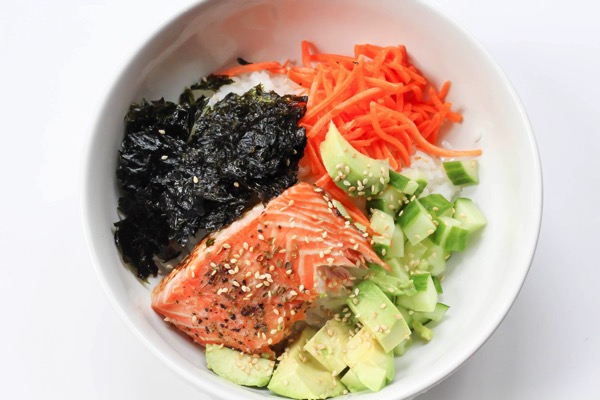
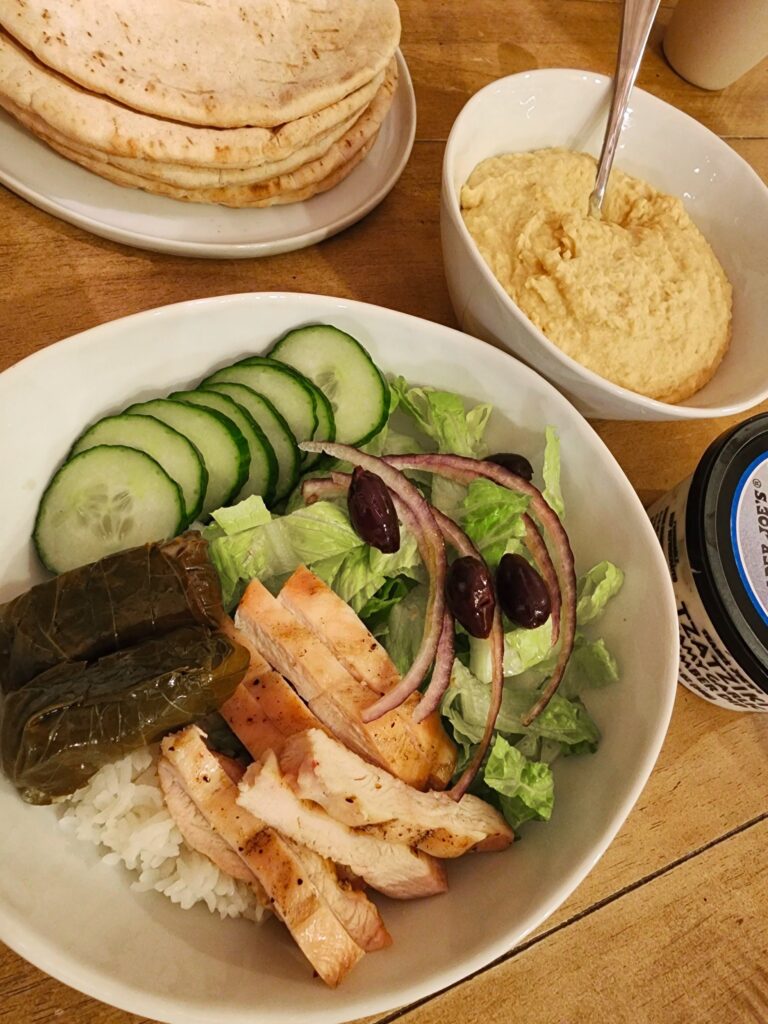
These salmon bowls were so good and easy: I just cooked rice in the Instant Pot, salmon in the air fryer (with paprika, garlic, salt, pepper, and chili flakes, squeezed lemon on it when it was done cooking), a Greek salad (just cucumber, tomato, avocado, red onion, feta, seasoned with lemon juice, red wine vinegar, olive oil, salt and pepper), and some dairy-free tzatziki from Trader Joe’s.

High volume low calorie recipes.

Did a Sculpt Society workout earlier this week that was perfection. It was no cardio and just lots of burn-y barre-esque strength work.

Thank you so much for stopping by the blog today! Have an amazing weekend and I’ll see ya soon!

xoxo

Gina

The post 4.24 Friday Faves appeared first on The Fitnessista.


from The Fitnessista https://ift.tt/Eo4DJsU
https://ift.tt/gyMT1YA

Why You’re Still Inflamed Even Though You’re “Doing Everything Right”

Sharing some thoughts on why you might still be inflamted, even if you’re doing all the things.

Hi friends! How are you? I hope that your morning is going well. I have a podcast interview, a dentist appointment, and a discovery call this afternoon for a potential new client.

Today, I wanted to talk about a hot topic. This has been coming up a lot in DMs, with clients, even in conversations with friends:

“I feel like I’m doing everything right… why do I still feel inflamed?”

And I get it, because I’ve been there too. And honestly have been there very recently myself, and it’s annoying lol.

You’re eating clean, working out, taking your supplements, trying to stay on top of everything… and your body still feels off. Maybe it’s bloating, low energy, stubborn weight, or just that overall “blah” feeling you can’t quite explain.

It’s frustrating, especially when you’re putting in so much effort.

Here are some of the things that could be going on: (of course, if you ever feel off, talk with your doctor)

Why You’re Still Inflamed Even Though You’re “Doing Everything Right”

1. You’re Under-Fueling (Even If You’re Eating “Healthy”)

This one is so common, especially for women who are motivated and disciplined.

You’re eating clean, whole foods, but not enough of them.

When your body doesn’t get enough fuel, it perceives that as stress. And what happens under stress?

– Cortisol goes up

– Blood sugar becomes unstable

– Inflammation increases

Your body shifts into survival mode, not healing mode.

Signs this might be you:

You feel wired and tired

You’re hungry at night

Your workouts feel harder than they should

You’re not seeing results despite consistency

Sometimes the most healing thing you can do is to eat more food.

2. You’re Over-Training (and Under-Recovering)

More is not always better.

If you’re stacking intense workouts (HIIT, long cardio, bootcamps) on top of an already full, stressful life, your body may not be able to keep up.

Exercise is a stressor. A good one; but still a stressor.

Without proper recovery, it can lead to:

Chronic inflammation

Hormone imbalances

Fatigue and burnout

Increased cravings

This doesn’t mean you need to stop working out.

It just means your body might be asking for:

More strength training

More rest days

More low-impact movement (walking, yoga, barre)

Sometimes dialing it back actually gets you better results.

How to Stay in Shape During the Holidays

3. Your Detox Pathways Are Sluggish

Your body is constantly working to eliminate toxins through:

Liver

Gut

Kidneys

Lymphatic system

Skin

If those pathways aren’t supported, toxins can recirculate instead of being eliminated.

This can show up as:

Bloating

Skin issues

Hormone imbalances

Feeling inflamed or “toxic”

This is where foundational support matters so much:

Hydration

Fiber

Minerals

Sweating

Tools I personally love for this:

A good magnesium supplement (supports detox + relaxation)

Daily minerals/electrolytes (huge for cellular function). I take the Zero Lyte ones from Thrive Market

Sauna sessions (sweating is one of the most underrated detox tools). Use FITNESSISTA15

Red light therapy (supports cellular repair + inflammation). FITNESSISTA gets you a huge discount.

I also love the EquiLife detox and do this quarterly.

4. Your Stress Load Is Just… High

This is the one no one wants to hear, but it’s often the biggest piece.

Even if everything looks “healthy” on paper, your body only cares about one thing: safety. Your body has to feel safe in order to do the things you need (and want it) to do.

Stress isn’t just emotional.

It can come from:

Busy schedules

Lack of sleep

Blood sugar swings

Over-exercising

Undereating

Processed foods and sugar

Environmental toxins

When stress is high, your body prioritizes survival; not fat loss, hormone balance, or optimal digestion.

This is why things like:

Nervous system support

Quality sleep

Boundaries

Simple daily rhythms

can make a bigger difference than another supplement.

5. You’re Missing the Root Cause

This is where I see so many women spinning their wheels.

They’re doing all the right things, but they’re guessing. They’re also taking a billion supplements they saw on Instagram without testing.

Without testing, you might be missing:

Mineral imbalances

Gut dysfunction

Detox inefficiencies

Hormone imbalances

And when you don’t know the root cause, it’s easy to:

Over-supplement

Follow random protocols

Waste time and money

This is exactly why I’m such a huge fan of functional testing – it takes the guesswork out and gives you a clear plan.

So… What Should You Do Next?

If you’re reading this and thinking, “okay, this is me…” this is a friendly reminder that you’re not alone and you’re not doing anything wrong. Your body just needs the right data and support.

Start here:

Make sure you’re eating enough (especially protein + carbs)

Take a look at your workout intensity + recovery

Support your detox pathways in simple, consistent ways

Prioritize sleep and nervous system regulation

From there, you can get more strategic.

If You Want Support

If you’re tired of guessing and want a personalized plan, I have a couple of options:

EquiLife Detox – a great starting point if you want to support your body’s natural detox pathways in a structured, doable way

1:1 Coaching (Healing Code) – for deeper support, testing, and a fully personalized plan

Or just reply to this post and tell me what’s going on. I read every message and I’m always happy to point you in the right direction.

xo

Gina

The post Why You’re Still Inflamed Even Though You’re “Doing Everything Right” appeared first on The Fitnessista.


from The Fitnessista https://ift.tt/ASWhQV0
https://ift.tt/M98ipsW

Cured Nutrition Serenity Gummies Review (Do They Actually Work for Stress + Sleep?)

Sharing a full review of the Cured Nutrition Serenity Gummies and if I think they’re worth it. You can use the code GINAH here for free shipping!

Hi friends! I hope your week is off to a great start and hope you had a wonderful weekend. Today I’m excited to share something with you that I’ve added to my routine that’s been quite a gamechanger.

Earlier this year, my nervous system was in a rough spot.

We had just gotten Lola (our wild cute crazy puppy), it was right after the holidays, and I was deep in that tired but wired phase. Even when she was sleeping, I was lying in bed wide awake because I knew we had to take her out every couple of hours. It honestly felt like having a newborn again. Add in some behind-the-scenes life stress, and my brain just refused to turn off at night.

I’d hit the pillow exhausted, but instead of falling asleep, I’d just lay there thinking about everything. For someone who LOVES sleep and values every moment she can get, this was devastating for me. Lack of sleep affects me on a deep level – I think it’s a huge reason why I had such a challenging postpartum experience – and I felt absolutely horrible.

One night, in a slightly desperate moment, I remembered that Cured Nutrition had sent me their Serenity Gummies to try. I took half of one, climbed into bed, and hoped for the best.

Friends, I slept like a baby (you know, the kind of baby that actually sleeps. I heard they do exist).

Like deep, restful sleep. I had dreams (which I hadn’t had in a while), stayed asleep, and woke up feeling like a completely different person.

It was definitely one of those “okay, I need to tell my friends about this” moments.

So today, I wanted to put together a full Cured Nutrition Serenity Gummies review: what’s in them, how they work, and whether they’re actually worth it.

Cured Nutrition Serenity Gummies Review

What are Cured Nutrition Serenity Gummies?

Serenity Gummies are a blend of adaptogens, cannabinoids, and calming nutrients designed to help your body shift out of stress mode and into a more relaxed, parasympathetic state aka they help take the edge off so you can actually relax.

They’re not marketed as a hardcore sleep aid or knock-you-out supplement. Instead, they’re more about supporting your nervous system, which is often the real issue when sleep feels off.

This is exactly how I use them.

My Experience with Cured CBD gummies

I don’t take these every night.

I reach for them when I can tell that I’m extra stressed and might have a harder time winding down.

For me, that looks like:

Mind racing when I hit the pillow

Feeling physically tired but mentally alert

That slightly anxious, buzzy energy

Trouble staying asleep or waking up frequently

When I take them, the best way I can describe it is:

It feels like a glass of wine… without the wine.

You get that warm, relaxed, cozy feeling, but:

No hangover

No blood sugar crash at 2am

No tossing and turning all night

No groggy morning

And they taste really good, which honestly matters more than we pretend it does. 😉 It’s like a tasty little bite.

Ingredients Breakdown (What’s Actually In Serenity Gummies?)

This is where these really stand out. They’re not just CBD gummies. They combine multiple calming compounds that work together.

Full-Spectrum CBD + Microdose THC

This is the foundation of the formula.

CBD (cannabidiol) supports relaxation, helps reduce stress, and can improve sleep quality

The tiny amount of THC enhances the calming effects (this is often called the “entourage effect”)

Important note: there is a small amount of THC, so you’ll want to:

Be mindful of local laws

Consider your job/testing requirements

For most people, it’s not enough to feel “high,” but you will feel relaxed.

Reishi Mushroom

Reishi is often called the “mushroom of immortality,” and it’s one of my favorite adaptogens.

It helps:

Support the stress response

Calm the nervous system

Promote deeper, more restorative sleep

Reishi is especially great if you’re dealing with that wired-but-exhausted feeling.

Ashwagandha

This is one of the most well-known adaptogens for a reason.

Ashwagandha can:

Lower cortisol (your stress hormone)

Support mood and resilience

Help your body adapt to ongoing stress

For busy moms (so many of us!!), this is a big one.

L-Theanine

L-theanine is an amino acid found in green tea, and it’s amazing for relaxation without sedation. We’ve used L-theanine in our family for many different reasons for at least 10 years now.

It helps:

Promote a calm, focused state

Reduce anxious thoughts

Support better sleep quality

It’s one of those ingredients that helps you feel calm but clear, not groggy.

Other Supportive Botanicals

Depending on the batch/formulation (they have a few different types), Serenity Gummies may also include additional calming herbs that support mood and relaxation synergistically.

The overall goal is to gently ease your body into a calmer state.

Who Are Serenity Gummies Good For?

As always, don’t start anything new without consulting with your doctor to check for contraindications.

In my opinion, these can be perfect if you:

Feel tired but wired at night

Have trouble “turning your brain off”

Are dealing with higher stress seasons

Want an alternative to wine or nightly drinks

Prefer a more natural, nervous-system-focused approach

They’re not something I’d use as a crutch every single night, but they’re an amazing tool to have on hand.

How I Take Them

I usually take:

½ to 1 gummy about 30–60 minutes before bed

Start low, especially if you’re sensitive.

Half a gummy was plenty for me the first time.

Pros and Cons

What I love:

They work quickly

They help me feel relaxed without being knocked out

No hangover feeling in the morning

They taste great

Perfect alternative to a glass of wine

Things to keep in mind:

They do contain a small amount of THC

Not ideal if you’re subject to drug testing

You’ll want to check your local regulations

I also have heard mixed opinions and studies on CBD and the brain, which is a huge reason why I stopped taking CBD regularly years ago. At the same time, I know that lack of sleep and a dysregulated nervous system can impact our body in a negative way, and so can alcohol. When it comes to a cocktail over taking half a gummy to “wind down,” I’d personally pick the gummy.

They’re one of those tools I don’t need every day, but when I do need them, I’m so glad I have them.

If you’re stuck in that cycle of:

“I’m exhausted but my brain won’t shut off”

…this might be something to try.

You can check them out here, and if you use code GINAH, you’ll get free shipping.

TL;DR

If you want:

Better sleep without feeling drugged

A calmer nervous system

A cozy, relaxed vibe (without alcohol)

Serenity Gummies are 100% worth trying.

Here’s the link to check them out!

xo

Gina

More of my favorite tools to have on hand:

the best mold-free coffee

My supplement essentials 

The post Cured Nutrition Serenity Gummies Review (Do They Actually Work for Stress + Sleep?) appeared first on The Fitnessista.


from The Fitnessista https://ift.tt/7MelOQt
https://ift.tt/IZgPrF4

4.17 Friday Faves

Hi friends! Happy Friday! What do you have going on this weekend? I’m being *fun mom* today with a school event and taking Liv and her friends to the fair, and the rest of the weekend we have NOTHING. Last weekend was wild, so I’m pumped to have some downtime to catch up on work and lounge by the pool. I’d love to hear what you’re up to!

Some pics from lately:

Our friends had a Mustache and Wig party that was super fun. I was hoping the Pilot would shave the stache after this, but alas… it is still here.

It’s time for the weekly Friday Faves roundup! This is where I share some of my favorite finds from the week and around the web. I always love hearing about your faves, too, so please shout out something you’re loving in the comments section below.

4.17 Friday Faves

Fashion, beauty, random:

Korean skincare! You guys know Liv is obsessed with all things K Pop and she loves to visit the stores to look at all of the merch/albums, etc. I’m happy to take her because I love looking at the skincare products. While I’m pretty happy with my skincare routine, I always like to try new things, so I picked up this Vitamin C gel (you pop the capsule on your hand and add the gel) and this serum, which I plan to use on my veiny dinosaur hands.

Obsessed with this set.

Winky Lux is on sale this week!! The girls and I looooove their ph lip balm; it changes color to match you. It’s so cool that it looks different on all of us! They sent me some of their new bloom eye shadows to try and they are gorgeous (and totally fine for my sensitive eyes).

Got these sandals from Amazon and while I’ll save you from the feet pics, they are SO cute and comfortable. They look expensive and were like $40.

Picking up the latest Vivrelle delivery from the UPS store tonight – I wasn’t here when they tried to deliver it- and I’m sooooooo excited.

Read, watch, listen:

Check out this week’s podcast episode here. I’m asking Dr. Turegano all of our burning skincare questions, like her thoughts on Botox and sunscreen. I’ve done a bad job shouting out podcast episodes lately, but there have been some really great interviews if you’re looking to catch up.

Can’t wait for the new Devil Wears Prada!

What are your holy grail skincare products?

Fitness, health, and good eats:

Thistle meals have been saving me lately. The days have been so busy and I was eating random things I could find. This ensures that I have a real, nutritious lunch waiting for me. You can try it here!

Try these homemade gelatin gummies!

Thank you so much for stopping by the blog today! Have an amazing weekend and I’ll see ya soon!

xoxo

Gina

The post 4.17 Friday Faves appeared first on The Fitnessista.


from The Fitnessista https://ift.tt/x8NOrLw
https://ift.tt/NJnr1QY

Beginner strength training mistakes I made (so you don’t have to)

Sharing a list of those “live and learn” kinda moments.

Hi friends! I hope you’re having a wonderful morning. I have a couple of appointments today and then it’s the mom uber shuffle later this afternoon. 😉

Today, I wanted to chat about something that comes up all the time with clients and in DMs, especially from women who are just getting started with strength training:

“I’m working hard at the gym, but I’m not seeing results.”

I feel this in my soul, because I’ve definitely been there.

When I first started my fitness journey, I was super motivated, consistent… and also making quite a few mistakes that were slowing my progress way down. The tricky part is that a lot of these mistakes are things we’ve been taught to do (especially as women in the early 2000s fitness era… anyone else remember hours on the elliptical? I used to prop my textbook on the elliptical and *study* as a I pedaled my little heart out)

Today I wanted to chat about some of the biggest beginner strength training mistakes I personally made, so you can skip the frustration and start seeing results faster. (lil note: even though I’m a certified personal trainer, Women’s Fitness Specialist and Corrective Exercise Specialist, this is not personalized fitness advice. Check with your doctor before making any changes to your routine.)

Can You Build Muscle In A Calorie Deficit

Beginner strength training mistakes I made

1. Doing way too much cardio

This was probably my #1 mistake.

I thought the formula was:

Sweat as much as possible = better results

So I’d stack:

Long cardio sessions

Group fitness classes

Maybe a little bit of strength training… as an afterthought.. and I’d use teeny tiny lil weights.

The problem? Too much cardio can actually work against your goals, especially if you’re trying to build muscle, boost metabolism, and change your body composition.

When you’re constantly in a calorie-burning, high-stress state:

– Your body doesn’t prioritize muscle building

– Cortisol can stay elevated

– You can feel constantly depleted (and CRASH in the afternoon)

What I wish I had done instead:

Focus on strength training as the foundation, with cardio as support.

Now, I usually recommend:

3 – 4 days of strength training

1 – 2 days of cardio (or just daily walks + lifestyle movement)

2. Not eating enough (especially protein)

This one is huge and I see it all the time.

Back then, I was:

Under-eating overall

Skipping meals or eating super “light”

Not prioritizing protein at all (I thought one egg was protein and that peanut butter was also protein)

Behold, a 2014 lunch:

I thought eating less would help me lean out faster, but it actually did the opposite.

If your body doesn’t have enough fuel, it’s not going to:

Build muscle

Recover properly

Maintain a healthy metabolism

When protein is low, it’s even harder to see that “toned” look so many people are after.

What I wish I had done instead:

Eat enough to support my activity level

Prioritize protein at each meal

Stop being afraid of fueling my body

A good starting point for many women is aiming for 20 – 30g of protein per meal, and adjusting based on your body and goals.

3. Not taking recovery seriously

I used to think rest days were optional. I’d still go to the gym on my “off” days and just not work quite as hard.

If I wasn’t sore, I felt like I wasn’t doing enough.

If I had energy, I’d push harder instead of pulling back.

But here’s the truth:

Your body changes during recovery, not during the workout.

Without proper recovery:

Muscles don’t repair and grow

Energy levels tank

Risk of burnout (or injury) increases

This is especially important for busy moms juggling everything. Your nervous system is already dealing with a lot.

What I wish I had done instead:

Scheduled rest days like appointments

Prioritized sleep (game changer for hormones + fat loss)

Add in low-impact recovery like walking, stretching, or yoga

Recovery is magic and it’s what can enable you to be more consistent over the long haul.

4. Not tracking progress (the right way)

This one might be the most surprisin.

I used to rely only on the scale to tell me if things were “working.”

If the number didn’t move I assumed I was failing.

Strength training changes your body in ways the scale doesn’t always reflect:

Building lean muscle

Losing body fat

Getting stronger

Improving endurance

You could be making amazing progress and not see it in that one number. (Read that again, k??)

What I wish I had done instead:

Track multiple forms of progress, like:

Strength increases (lifting heavier weights, more reps)

Progress photos

Measurements

Energy levels and mood

How clothes fit

Some of the best wins have nothing to do with the scale.

5. Not following a plan

I’ll add this one because it made such a difference for me.

I used to just wing it.

I’d go into the gym and do whatever felt right that day, without any real structure or progression.

Once I started following a structured program with progressive overload, everything changed.

Workouts felt like they had purpose (which was motivating in itself)

I could clearly see progress and felt stronger over time

Results felt like they were actually happening (and felt sustainable)

A friendly reminder if you’re just getting started with strength training:

You don’t have to do everything perfectly!!! ANY movement is good movement. You just want to do it in a way that makes sense for your life.

If I could go back and tell beginner me anything, it would be this:

Lift weights. Eat enough. Rest more than you think you need. Stick with it. You’ll still be working out 20+ years from now because you got started in the first place.

If you’re currently on your strength training journey, I’d love to hear from ya: what’s been the biggest learning curve so far?

And if you want help creating a simple, effective plan that fits into your life (especially for my fellow busy moms), I have some fun things coming your way soon. 😉

xo

Gina

More:

My favorite at-home barre workouts

A year of workout programming – DONE

The post Beginner strength training mistakes I made (so you don’t have to) appeared first on The Fitnessista.


from The Fitnessista https://ift.tt/qVG5AIT
https://ift.tt/piSR6Dh

Most Viewed

Yoga For Healing...TakeYour Next Step To Wellness

Popular Posts