things that Lola has done (eaten)

Lola has never had a formal blog introduction, but she’s now 6 months old and I’m sharing some of the mischief she’s gotten into instead. It’s much more fitting this way.

We knew that we eventually wanted to get another dog. When Maisey started to act more grandma than puppy – sleeping on the couch and just seemed bored during the day – we figured it would be sooner rather than later. The Pilot and I had discussed it and knew we wanted to make it happen.

He wrapped up the pieces to this puzzle for Christmas:

The girls and I each had a piece and when we put it together, the girls squealed, and I shed a couple of tears because I was excited and it was so cute to see them so happy.

He figured we’d pick out a puppy and it would be a while until she was actually home with us, but the girls and I had Lola picked out the next day and he was flying out to Salt Lake City within a week to pick her up. (We act quickly around here haha.)

She is a tornado of joy and energy, and has been the sweetest best friend and sister to Maisey. They already love each other and chase each other around, play tug, wrestle, and nap together. I’m SO so glad we did it.

At the same time, I didn’t realize that goldens are a very unique breed. (Lola is a mini goldendoodle but I think they may have lied about the mini part because she’s already huge and not done growing haha.) They like to eat everything, get into everything, and pretend that they can’t hear you when you try to correct them. I’m not super worried about it because we have an amazing dog trainer and I know goldens are amazing dogs. (We have close friends who had a golden retriever and he was such a great boy.) As a puppy, it’s been a lot!

I realized that unlike our other dogs, Lola hasn’t had a proper internet introduction. This is mostly because I spend most of the time chasing her around and prying things out of her mouth. Instead of a formal introduction, let me tell you about all of the things that she has destroyed or consumed, just in the last month.

things that Lola has done (eaten)

The entire spongy inside of a pink highlighter marker. I was petting her and realized her beard was reddish. I was like, “What did you eat?” and she yawned to show off her neon pink tongue. I found the sad empty highlighter shell in her dog bed, but everything else was gone. She’s totally fine.

P’s homework. Not once, but twice. I took a picture so we could prove it to her teacher when we asked for another copy.

The entire bottom section of all four of our breakfast nook chairs. You know the foam underneath that gives the chair squish and support? It’s gone. Come sit with us for breakfast and your booty can sink down in your chair as you eat, too.

Multiple rolls of paper towels.

An entire Eegee’s sub sandwich. P set it on the table in between bites, Lola jumped up and CHOMP. The entire thing, down her throat.

A hibiscus bush, which continues to grow despite her chomping on it every day.

A baby bird in the backyard. Tom had to pry it out of her mouth and unfortunately the sweet little bird didn’t make it.

Fruit salad. Multiple times throughout the day, I have to ask Siri if it’s safe for a dog to eat certain fruit, because she’ll steal it off the counter. She likes pears, mango, and melon. She likes everything really.

Attempted to eat: our guinea pig. We have baby gates downstairs and one was open. She ran upstairs to where the guinea pig lives and our amazing house cleaner stopped her. Now we have to get an additional baby gate for the game room, where the guinea pig lives.

So tell me, friends: any tricks for golden doodles? She gets walked every day and still has a ton of energy, but I’m hoping we can start swimming with her soon.

I was thinking about getting her some treat puzzles if you can recommend any! And also waiting until I replace all of the breakfast nook chairs.

xo

Gina

The post things that Lola has done (eaten) appeared first on The Fitnessista.


from The Fitnessista https://ift.tt/y1z6GCi
https://ift.tt/ur1y45x

The Role of Magnesium in Women’s Health (Why You’re Probably Low)

Let’s chat about my favorite mineral today – magnesium!! 

Hi friends! How are ya? I hope that you’re having a lovely morning. We are in Seoul right now! I’ll be sharing lots of adventures (probably too many) on IG stories if you’d like to follow along. We are also going to Tokyo and Kyoto.

For today’s post, I wanted to chat about the benefits of lovely magnesium and muscle cramps.

For most of my young adult life, I would wake up in the morning, point my toes to stretch, and my entire calf muscle would immediately seize up in the most violent cramp imaginable. I was genuinely convinced that I was going to perish. (It may sound dramatic but if you’ve ever experienced this, you understand.)

The cramps were even worse during both of my pregnancies. And knowing what I know now as an Integrative Health Practitioner, that makes complete sense, because growing babies draw heavily on their mother’s mineral stores, and magnesium is one of the first things to go. (Babies are AMAZING but they’re little mineral bandits.)

I wish so much that I had done functional lab testing after my girls were born, because magnesium deficiency can play a huge role in how a new mom feels, thinks, sleeps, and recovers. It could have changed my entire postpartum experience.

Since I started supplementing with magnesium consistently, I have not had a single muscle cramp. Not one. (Knock on wood!!) The cramp relief was honestly just the beginning of what I noticed.

If you are dealing with poor sleep, low-grade anxiety, fatigue, or mood swings that seem to have no clear cause, magnesium deficiency could be a major piece of the puzzle, and you might not even know it. This is one of the most common deficiencies I see when I start working with new clients, and it is also one of the most impactful things to address.  Let’s chat about everything you need to know!
In This Post

  • Why So Many Women Are Magnesium Deficient
  • What Magnesium Actually Does in the Body
  • Signs You Might Be Low in Magnesium
  • The Different Types of Magnesium (and How to Choose the Right One)
  • Why a Full-Spectrum Magnesium Can Be a Game Changer
  • Topical and Bath Magnesium: Do They Work?
  • Foods That Are High in Magnesium
  • How to Test Your Magnesium Levels
  • FAQ

Why So Many Women Are Magnesium Deficient

Here is a number worth paying attention to: research from the USDA suggests that nearly half of Americans are not getting enough magnesium from their diet. That statistic does not account for the additional depletion that happens because of stress, certain medications, alcohol, poor gut absorption, or the demands of pregnancy and breastfeeding.

Women are particularly vulnerable for a few reasons. Estrogen and progesterone fluctuations throughout the menstrual cycle affect how the body uses and retains magnesium. Stress – which most women I know are carrying a LOT of – directly depletes magnesium because the body burns through it rapidly when the nervous system is working overtime. The modern food supply, even when we are eating well, tends to be lower in magnesium than it used to be due to soil depletion and the fact that food sits longer on the shelves.

It’s important to keep in mind that standard blood tests are a notoriously poor way to measure magnesium status. The body maintains a very tight range of magnesium in the blood, drawing from tissues and bones to keep blood levels looking normal even when your actual stores are low. This means you can have a “normal” blood magnesium result and still be functionally deficient at the cellular level. I’ll share my favorite test for this below!

What Magnesium Actually Does in the Body

Magnesium is involved in more than 300 biochemical reactions in the body!  (Not a typo. That’s 300.) A deficiency can show up in so many different and seemingly unrelated ways.

Here is a short list of what magnesium is responsible for:

  • Muscle contraction and relaxation (including the heart muscle)
  • Nervous system regulation and stress response
  • Sleep quality, via its role in activating the parasympathetic nervous system and supporting melatonin production
  • Energy production at the cellular level
  • Blood sugar regulation and insulin sensitivity
  • Bone density (it regulates calcium uptake)
  • Hormone production and balance, including progesterone
  • Reducing inflammation
  • Supporting a healthy cortisol response

When magnesium is low, all of these functions are compromised to varying degrees.
 

That is why clients who start supplementing correctly often describe the experience as feeling like something they did not even know was missing has suddenly returned!!

Signs You Might Be Low in Magnesium

One of the reasons magnesium deficiency goes unrecognized so often is that the symptoms are incredibly common and easy to chalk up to stress, aging, or just being busy.

Here are some of the things to look for:

Muscle Cramps and Twitches

This was my biggest and most obvious symptom. Magnesium regulates muscle contraction and relaxation – when levels are low, muscles cannot fully relax, which leads to cramping, twitching, and spasms. Nighttime leg cramps and the kind of morning-stretch calf cramps I described are classic presentations. Eye twitches that come and go are another one I hear about often and have experienced myself.

Poor Sleep

Magnesium activates the parasympathetic nervous system, helps regulate melatonin, and supports the GABA receptors in the brain that promote calm and relaxation. When magnesium is low, the brain has a harder time winding down. You might notice trouble falling asleep, waking in the night, or consistently feeling unrefreshed even after a full night’s rest.

Anxiety and Irritability

The calming effect magnesium has on the nervous system is significant. Low levels are associated with heightened anxiety, a lower stress tolerance, and a kind of baseline irritability or emotional reactivity that feels hard to explain. Many clients notice within the first two to three weeks of supplementing that they just feel more even. They’re less reactive and feel more like themselves.

Fatigue and Low Energy

Because magnesium is essential for ATP production – the energy currency of every cell in your body – low levels mean your cells are literally not producing energy efficiently. This shows up as fatigue that does not fully resolve with sleep, afternoon crashes, and a general sense of running on empty.

Headaches and Migraines

Magnesium helps regulate blood vessel tone and neurotransmitter activity. Research has consistently linked magnesium deficiency to an increased frequency of headaches and migraines, particularly in women and particularly in the premenstrual phase of the cycle.

Worsening PMS

Magnesium plays a direct role in hormone regulation during the luteal phase. Low levels are associated with worse PMS symptoms including cramps, bloating, breast tenderness, mood swings, and cravings. If your PMS has been getting more intense, magnesium is one of the first places I look.

Constipation

Magnesium helps regulate muscle contractions in the digestive tract. Low levels can slow things down, contributing to constipation or sluggish digestion.

Brain Fog and Difficulty Concentrating

Magnesium supports healthy neurotransmitter function and nerve signaling. Deficiency can show up as difficulty focusing, a foggy feeling, or a sense that your thinking is just not as sharp as it used to be.

Bone Loss

Most people think of calcium when they think about bone density, but magnesium is equally important. It regulates calcium uptake and is needed to activate vitamin D, both of which are essential for maintaining strong bones. Without adequate magnesium, calcium supplementation can actually be counterproductive.

The Different Types of Magnesium (and How to Choose the Right One)

Here is where a lot of women go wrong – and it is genuinely not their fault, because the supplement aisle is overwhelming! Many of my new clients come to me already taking magnesium, but taking the wrong form for their specific needs and not feeling much of a difference. The type of magnesium matters a LOT.

Magnesium Glycinate

This is the form I recommend most often as a daily foundation. Magnesium glycinate is bonded to the amino acid glycine, which makes it highly bioavailable and very gentle on the digestive system. It is the go-to for sleep support, anxiety, muscle tension, and general deficiency replenishment. It is unlikely to cause loose stools (a common side effect with other forms), which makes it easier to take in meaningful doses. If you are only going to take one form, this is usually where I start.

Magnesium L-Threonate

This is the only form of magnesium that has been shown to effectively cross the blood-brain barrier, meaning it can raise magnesium levels specifically in the brain. It is particularly useful for cognitive support, memory, mood, and neurological health. Some people take it alongside glycinate – glycinate for body and general calming, threonate for brain and focus. It is more expensive than glycinate, but for women dealing with brain fog or cognitive concerns, it can be worth it.

Magnesium Malate

Magnesium malate is bonded to malic acid, which is involved in cellular energy production. This form is particularly useful for women dealing with fatigue, muscle pain, or fibromyalgia-type symptoms. It is well absorbed and generally gentle on the stomach. If your biggest complaint is energy and muscle recovery rather than sleep or anxiety, malate is worth considering.

Magnesium Citrate

Citrate is one of the most common and affordable forms, and it is reasonably well absorbed. The catch is that it has a laxative effect at higher doses, which can be helpful if you are also dealing with constipation, but less ideal if you are not. It is a fine option for occasional use or for digestive support, but not always the best choice as a daily supplement for women specifically looking to address sleep, hormones, or anxiety.

Magnesium Oxide

This is the form found in many cheap, widely available supplements. It has poor bioavailability – meaning most of it passes through without being absorbed – and its main use is as a laxative. I generally do not recommend it as a therapeutic form for addressing deficiency.

Why a Full-Spectrum Magnesium Can Be a Game Changer

Because different forms of magnesium support different functions in the body, there is a real argument for using a supplement that combines multiple well-absorbed forms rather than trying to choose just one. A full-spectrum magnesium gives you broader coverage which can help with sleep, energy, muscle function, cognitive support, and hormone balance simultaneously rather than optimizing for just one area.

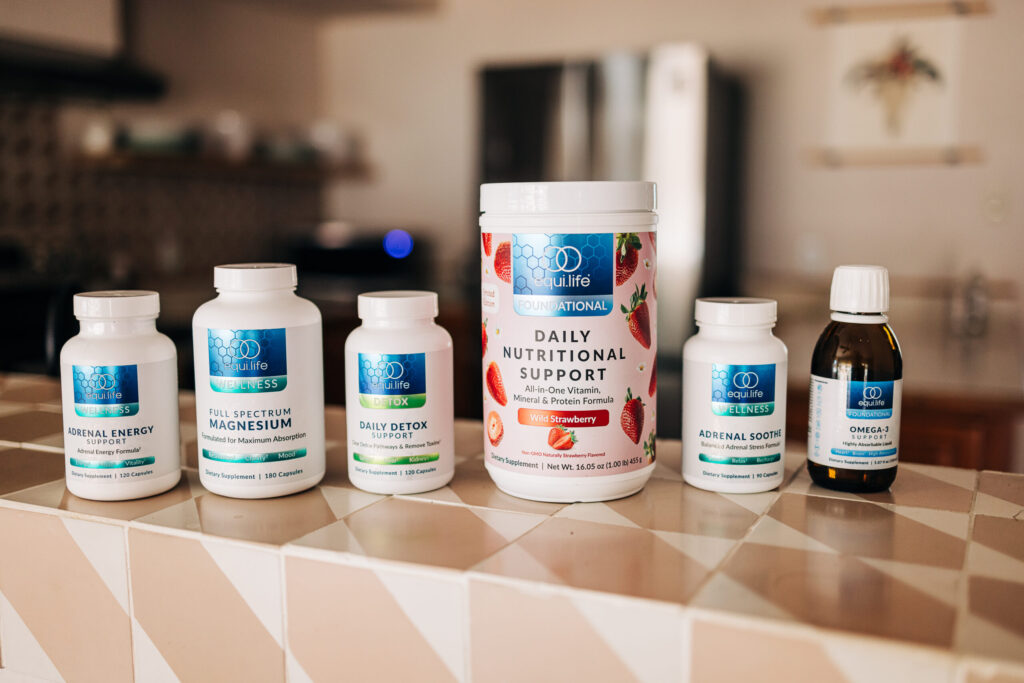
The one I use and genuinely love is from EquiLife. It combines multiple bioavailable forms and I notice a real difference in my sleep and overall sense of calm on the nights I take it. It is also third-party tested, which matters to me when it comes to supplements. If you want to keep it simple and cover your bases without researching and buying multiple individual products, a high-quality full-spectrum formula is a great move.
Topical and Bath Magnesium: Do They Work?

The short answer is: they are a wonderful complement to oral magnesium, especially for muscle tension and nervous system support, though the research on transdermal absorption is still mixed.

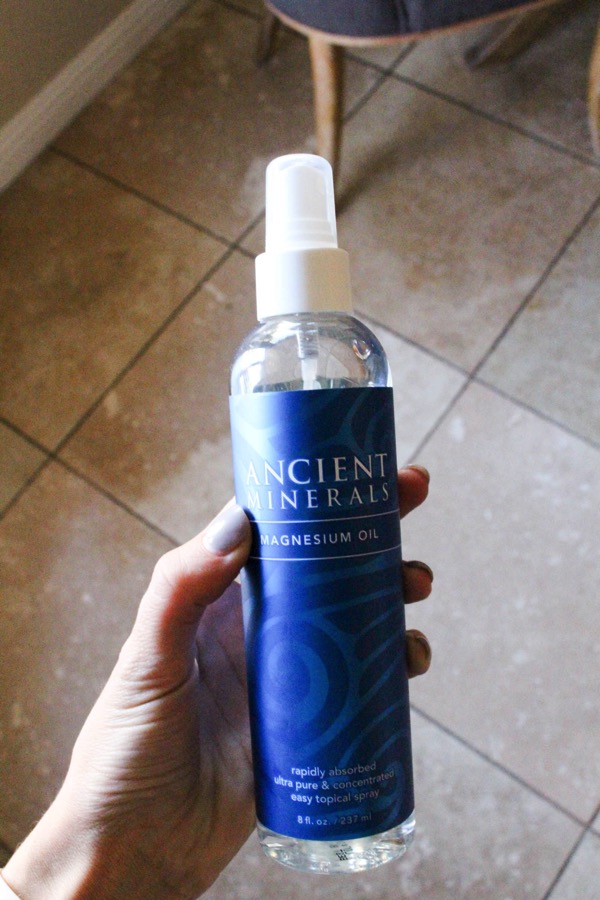
What I do know from personal experience and client feedback is that magnesium applied topically or used in a bath has a noticeably relaxing effect on the muscles and nervous system, even if it is not raising serum levels the same way an oral supplement does. I use Ancient Minerals topical magnesium regularly and love it – it is great applied directly to areas of muscle tension or the bottoms of the feet before bed.

NOW Foods magnesium bath flakes are another option I love and recommend. Adding them to a warm bath is one of the most genuinely relaxing things you can do for your nervous system, and it doubles as a soak for sore muscles after a workout. I think of topical and bath magnesium as a lovely addition to your routine rather than a replacement for oral supplementation — they work really well together.

Foods That Are High in Magnesium

Supplementation matters, but food sources are always worth optimizing too.

Some of the best dietary sources of magnesium:

  • Dark leafy greens – spinach, kale, chard
  • Pumpkin seeds (one of the highest sources per serving)
  • Dark chocolate (yes, really)
  • Avocado
  • Black beans and legumes
  • Almonds and cashews
  • Salmon and fatty fish
  • Bananas
  • Whole grains like quinoa and brown rice

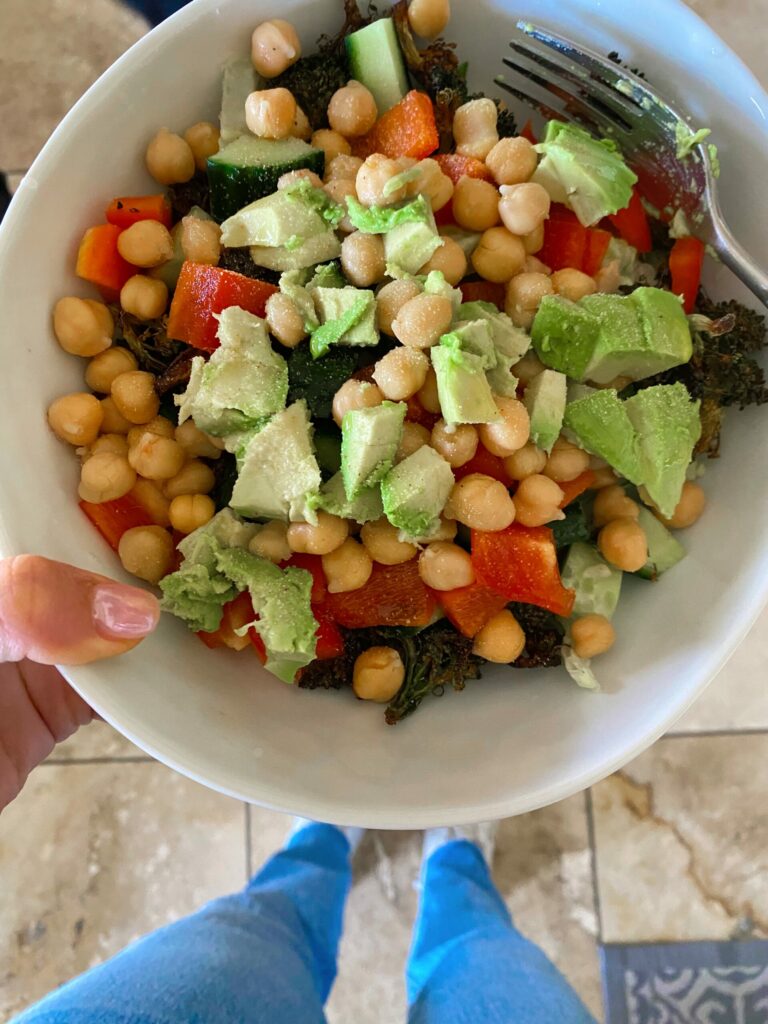
Most women eating a reasonably healthy diet are getting some magnesium through food, but rarely enough to fully meet their needs – especially with how much stress depletes, how gut issues impair absorption, and how much pregnancy and breastfeeding increase demand.  I go for food first, but supplement to fill the gap.
How to Test Your Magnesium Levels

As I mentioned earlier, a standard blood test for magnesium is not a reliable way to know if you are actually deficient at the cellular level. The blood is the last place the body will allow magnesium to drop, so levels can appear normal even when your tissues are depleted.

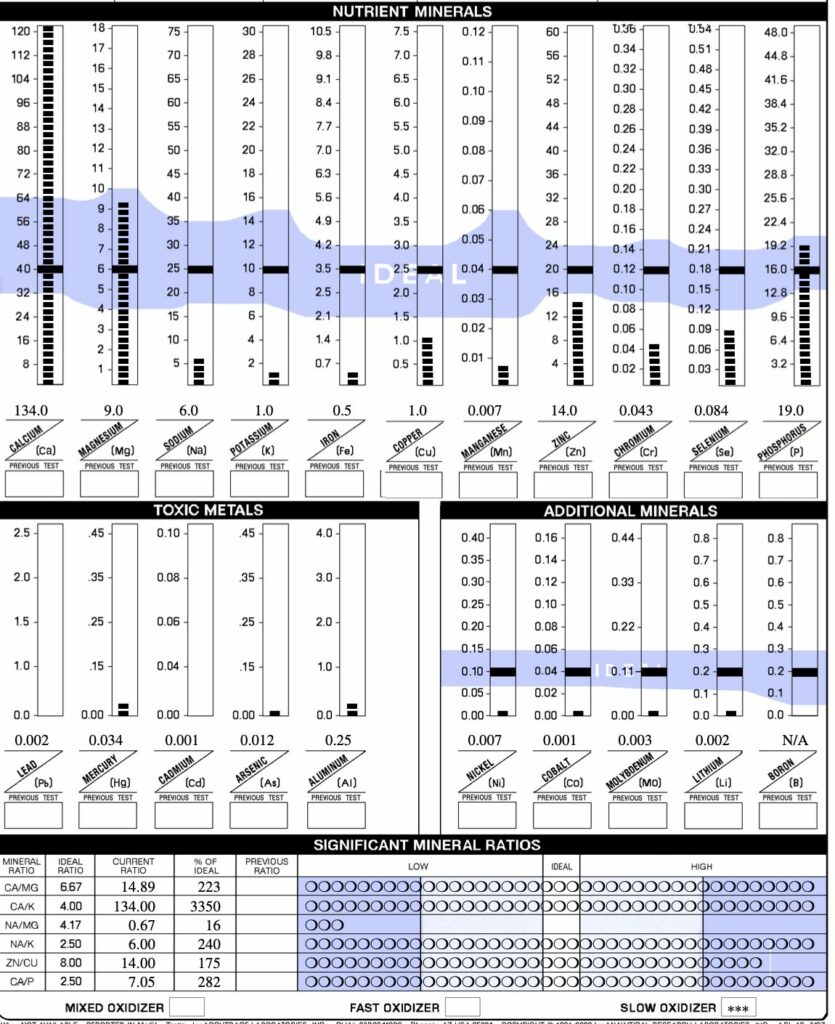
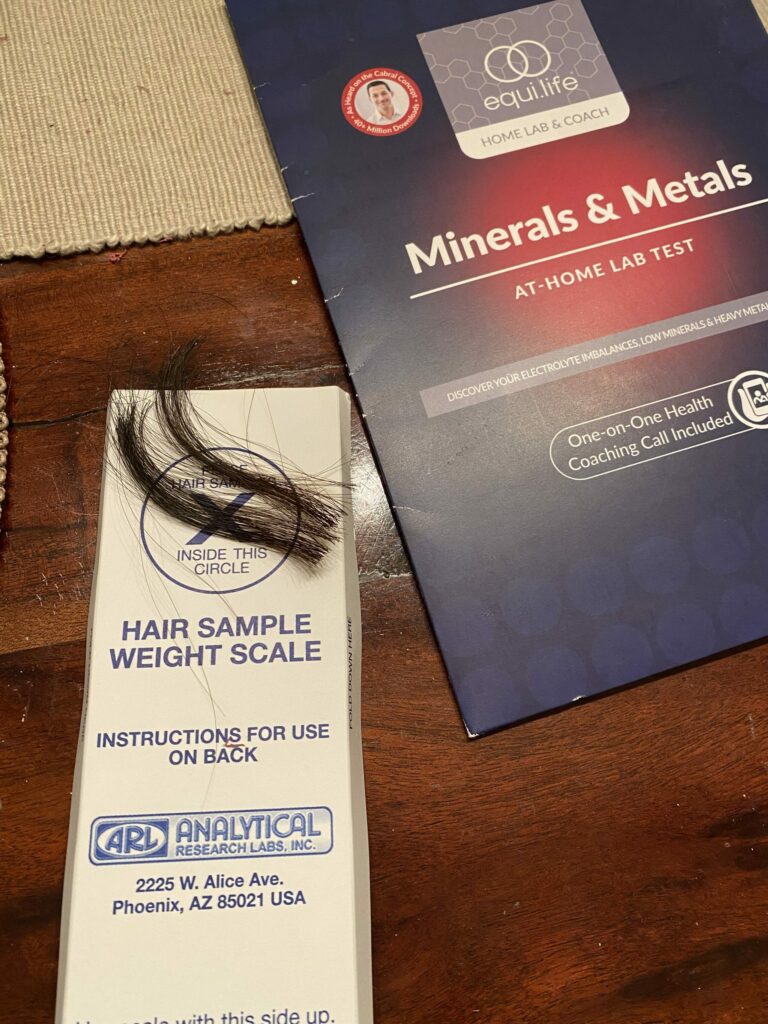
The test I use and recommend for assessing magnesium (and minerals overall) is the HTMA – Hair Tissue Mineral Analysis. It is exactly what it sounds like: a non-invasive test done using a small sample of hair that reveals your long-term mineral status at the tissue level, not just a single point-in-time snapshot like blood work provides.

The HTMA shows not just your magnesium levels, but also how your other minerals relate to each other – because mineral ratios matter just as much as individual numbers. For example, the calcium-to-magnesium ratio reflects nervous system balance and is often elevated in women dealing with anxiety, poor sleep, and stress intolerance. The test also screens for heavy metal accumulation, which can interfere with mineral absorption and is something most people never think to check.

Here is the part I love most about this test: all you need is about a tablespoon of hair snipped from close to the scalp. It is not enough to leave a bald spot, I promise!! You can take it from underneath where it will not be visible at all. That’s it! No needles, vials, visits to the lab… you can do everything from home.

The HTMA is the most affordable functional lab test I offer, which is one of the reasons I love starting clients here. It gives us an incredible amount of information quickly, and it tells us exactly what you need; not just a generic supplement protocol, but a personalized one based on your actual tissue levels.

If you are interested in running an HTMA, send me a DM or an email (gina@fitnessista.com) with the word TESTING and I will send you all the details. It is a great first step whether you are brand new to functional testing or just want to get a clearer picture of what your body actually needs.
FAQ

How do I know if I am magnesium deficient?
The most common signs are muscle cramps (especially nighttime leg cramps or morning calf cramps), poor sleep, anxiety or irritability, fatigue, headaches, and worsening PMS. Because standard blood tests are a poor indicator of actual tissue-level magnesium status, functional testing like an HTMA gives a much more accurate picture. DM me the word TESTING if you want to learn more about how to run this test.

What is the best magnesium supplement for women?
It depends on what’s going on. Magnesium glycinate is the best all-around starting point for most women – it is highly absorbable, gentle on the stomach, and supports sleep, anxiety, muscle tension, and hormone balance. For brain fog or cognitive concerns, adding magnesium L-threonate is worth considering. For fatigue and muscle recovery, magnesium malate is a strong option. A full-spectrum formula that combines multiple forms is a great choice if you want to cover all your bases. I think it’s a better option than trying to pick and choose a single form.

When should I take magnesium?
For sleep support, taking magnesium glycinate in the evening about an hour before bed is ideal. Magnesium malate is often better taken earlier in the day since it supports energy production. If you are taking a full-spectrum formula, check the label for the brand’s recommendation, but evening is generally a good default.

Can magnesium help with anxiety?
Yes, and the research supports this. Magnesium plays a key role in regulating the nervous system and GABA activity in the brain – the same calming pathway affected by low progesterone. Multiple studies have found associations between magnesium supplementation and reduced anxiety symptoms. Most clients notice a meaningful difference within two to four weeks of consistent supplementation.

Can magnesium help with sleep?
Absolutely. Magnesium supports melatonin production, activates the parasympathetic nervous system, and helps quiet the brain for deeper sleep. This is one of the most consistently reported benefits I hear from clients after they start a good magnesium supplement. Glycinate is the form most commonly used for sleep specifically.

Is it safe to take magnesium every day?
Yes, for most people. Magnesium is a mineral your body needs daily and cannot store in unlimited quantities. The most common side effect of too much magnesium is loose stools, which is why the form matters — glycinate and malate are much less likely to cause this than citrate or oxide. Start with a lower dose and build up if needed, and always check with your healthcare provider if you have kidney issues or take medications.

Can I get enough magnesium from food alone?
For many women, food alone is not sufficient, especially with modern soil depletion, high stress levels, and gut absorption issues that are SUPER common. Eating magnesium-rich foods is always a great starting point, but most women benefit significantly from supplementation on top of a good diet.

What is an HTMA test and why would I need one?
HTMA stands for Hair Tissue Mineral Analysis. It is a non-invasive test that uses a small hair sample to measure your mineral levels at the tissue level, which is a better way of accessing long-term mineral status than a blood test. You can check your magnesium status, all of your key minerals and their ratios to each other, as well as any heavy metal accumulation. It is the most affordable functional test I offer and a great place to start if you want real data about what your body actually needs! Email me gina@fitnessista.com subject TESTING to get started.

xo

Gina

Disclaimer: I am an Integrative Health Practitioner and Women’s Fitness Specialist, not a physician. Nothing in this post constitutes medical advice. Please work with a qualified healthcare provider before starting a new supplement protocol, especially if you have kidney disease, take medications, or are pregnant or breastfeeding.

The post The Role of Magnesium in Women’s Health (Why You’re Probably Low) appeared first on The Fitnessista.


from The Fitnessista https://ift.tt/yrJQptV
https://ift.tt/hyGAcbz

what to do in Vegas with tweens and teens

Sharing a roundup of some of my favorite things to do in Vegas with teens or tweens!

Hi hi! How are you? I hope you had an amazing weekend! We celebrated graduations, birthday parties, and then packed up for a little adventure 🙂 Summer is here and I’m excited to visit as many places as we possibly can and escape the scorching Tucson oven.

For today’s post, I wanted to share some Vegas highlights! We met up with the Pilot in Vegas a few weeks ago, just for a night. (We also got upgraded to the penthouse two-bedrom suite at the Bellagio and it was EPIC.)

It was the girls’ first *real* time in Vegas (last time they were babies), and they’re obsessed. P said it’s one of her top favorite places (NYC is #1, then Vegas, then Honolulu, Rome, and Barcelona.)

While Vegas is definitely an adult place, you can definitely have fun as a family with kids. Growing up, my dad used to take us to Vegas every summer, so it’s a place that I’ve visited many times as a kid and as an adult. It’s just as fun; just in a different way 😉 This trip also gave me the opportunity to see some attractions that we haven’t done!


(the kids approve their photos on the blog and on IG. Sometimes they ask me to put an emoji over their face, so that’s what I do!)

what to do in Vegas with tweens and teens

Here are some top destinations for teens and tweens:

(* = things we did on our most recent trip, everything else is something that I’ve previously visited)

*Madame Tussad’s

It was our first time here and we had an absolute blast. It was way more fun than I was expecting and the kids loved seeing so many different wax celebrities and taking photos. It was jarring to see how realistic they were; we often thought they were real people!

Leo is very tall 🙂

M&M factory

You can see all of the different flavors, colors and types of M&Ms and make a little goodie bag of your top picks. (I also only like brown M&Ms and I can make an entire bag of brown peanut M&Ms which is a joy lol)

*Omega Mart at Area15

This was the girls’ top request and we LOVED it. It’s a short ride off the strip and this area is packed with fun activities (like ax throwing, shops, little restaurants) and Omega Mart. They had seen Omega Mart on Youtube, and it’s like a whimsical grocery store with wacky items and hidden rooms. You can spend a lot of time here. P also did the zipline that took her around the interior of Area15.

*Ride a gondola at the Venetian

This is another thing we haven’t done and while I feel like it’s a bit pricey for what it is, it was a fun experience. The gondolier took us around the canal in the Venetian and serenaded us, and the girls got a kick out of it. It was also a nice way to enjoy some scenery and rest our feet after a ton of walking.

Top Golf

They have a Top Golf attached to the strip, which is an easy family activity. This wasn’t worth it to us since we have one in Tucson, but if you don’t live near a Top Golf or you’re a golf family, this would absolutely be worth it.

*Fountains at the Bellagio

This is one of my all-time favorite Vegas attractions. The fountains are so beautiful and I love the music. It’s free, it’s lovely, the kids really enjoyed this one, too.

See a Cirque du Soleil show

We’ve seen a few of these but I really wanted to take the girls to one in Vegas. O at the Bellagio was sold out, so we’ll absolutely book tickets in advance next time.

Ride the roller coaster at New York, New York

I haven’t been on this since I was a kid, but it’s still running and apparently still a hit.

Aquarium at Mandalay Bay

This is another great option, especially if you have younger kids or you’re just looking to escape the heat.

Museum of Illusions

We haven’t visited this particular one, but we’ve been to Scottsdale and Barcelona locations and they were almost exactly the same. If you don’t have one near you, I highly recommend it as a way to spend an hour or so.

Neon Sign Museum

It’s really cool to see the vintage Vegas signs and take pics. Definitely do this one when it’s not summer, as it gets pretty toasty out there.

Something I haven’t done but everyone raves about:

Wizard of Oz at the Sphere

This is on our list for our next trip!

Blast from the past: Adventuredome at Circus Circus

We’ve been to this SO many times as kids and it’s still running. It’s an indoor theme park, so the how weather doesn’t matter. They have an awesome roller coaster, too.

Eat!

Vegas has some of the best food and there’s truly something for everyone. If your kids like burgers, you can find incredible burgers. If they love pizza,you’ll find the best pizza. If they like fine dining, check our RPM, Vanderpump, or Yellowtail. Vegas also has crazy desserts everywhere. We got crepes, matcha ice cream, and you definitely need to take the kiddos to a buffet experience. We love the Wynn buffet.

Shop!

Vegas also has some of the best shopping. Any store your kid likes; they likely have it. We definitely made our way through a few Sephoras and athletic shoe stores.

A tip for Vegas with kids/tweens/teens:

We personally avoided the Strip at night, especially since it was just me and the girls until the Pilot could meet up with us. We planned to stay on the north side of the strip – I feel like the south side gets a little sketchier – and to be off the Strip in the evening and then head back to the room.

We did Area15 at night, which was perfect, and then the Uber driver dropped us off at the fountains at the Bellagio to watch the show, and we headed upstairs to our room for room service and relaxing.

I feel like if you stay at a hotel that has good activities inside (like Caesar’s or Venetian for shopping) or a Cirque du Soleil show, plan to do that at night so you’re not our wandering the Strip with the kids.

So tell me friends: Vegas with the fam, or parents only? It’s definitely a different vibe but a blast both ways!

xo

Gina

The post what to do in Vegas with tweens and teens appeared first on The Fitnessista.


from The Fitnessista https://ift.tt/84rjN5x
https://ift.tt/JGHXdhW

5.23 Friday Faves

Hiiii! Happy weekend to ya! I hope that you’re having a lovely long weekend, and I’m praying for our Gold Star families this Memorial Day and those who made the ultimate sacrifice.

We’re heading to Phoenix to start a lil adventure and I’m car blogging (while the Pilot drives, don’t worry haha) 🙂 The kids are out of school (praise the lord) and summer is officially here! We’ve already enjoyed a graduation dinner with friends, Barnes and Noble (end of school tradition for new summer books), and two days in a row of arcade games and birthday parties. Summer is the best.


It’s time for the weekly Friday Faves roundup! This is where I share some of my favorite finds from the week and around the web. I always love hearing about your faves, too, so please shout out something you’re loving in the comments section below.

5.23 Friday Faves

Fashion, beauty, random:

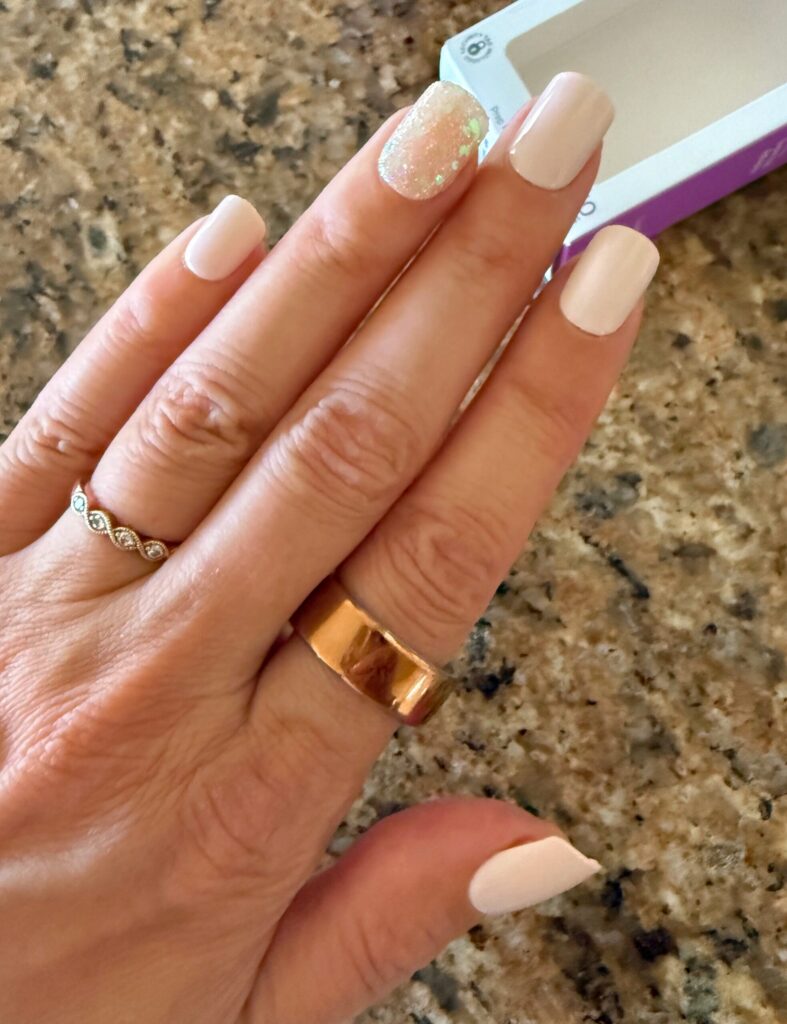
Press on nails! I took off my dip to give my nails a lil breather. I’ve had dip consistently for about 5-6 years and while I love the way they look, I hate the chemicals, the cost (which keeps going up – my last dip appt was $80 before tip), and sitting there for an hour. So many of my friends have switched to press-on nails and I figured I’d give it a try because they look so great.

I was pretty blown away with my first experience! These ones were $12 and lasted 5 full days before I took them off. (They were lifting a little bit and I got freaked out about water getting trapped under them.) They’re glue-free (it’s just tabs) so they don’t last quite as long as the ones you paint on with glue, but I’ll try those next. I can’t find the exact ones online but this is the brand/type.

Memorial Day sales!

My favorite CBD gummies are 30% off and you can stack my code GINAH here. I take half of one on the nights when I’m feeling stressed or wired and it’s like instant calm. It’s like a glass of wine minus the hangover and I wake up feeling great.

My favorite peptide skincare. This is the body moisturizer I use every day, the BEST tinted SPF moisturizer, and this amazing overnight lip mask. Try it; you will love it.

If you’ve been wanting to try Vivrelle, you can get one month FREE with my code GINAHARNEY at this link. This is where I borrow luxury handbags. It’s so much fun to have something new on the way each month! It’s helped me to try different sizes and brands and see which ones I really love, and also gives me that *new* feeling without shopping all the time lol. Try it here.

The best filtered showerhead. It makes our skin and hair so much softer and removes contaminents from the water that you don’t want to be breathing in while you shower. If you filter your drinking water, bathing water is the next step!

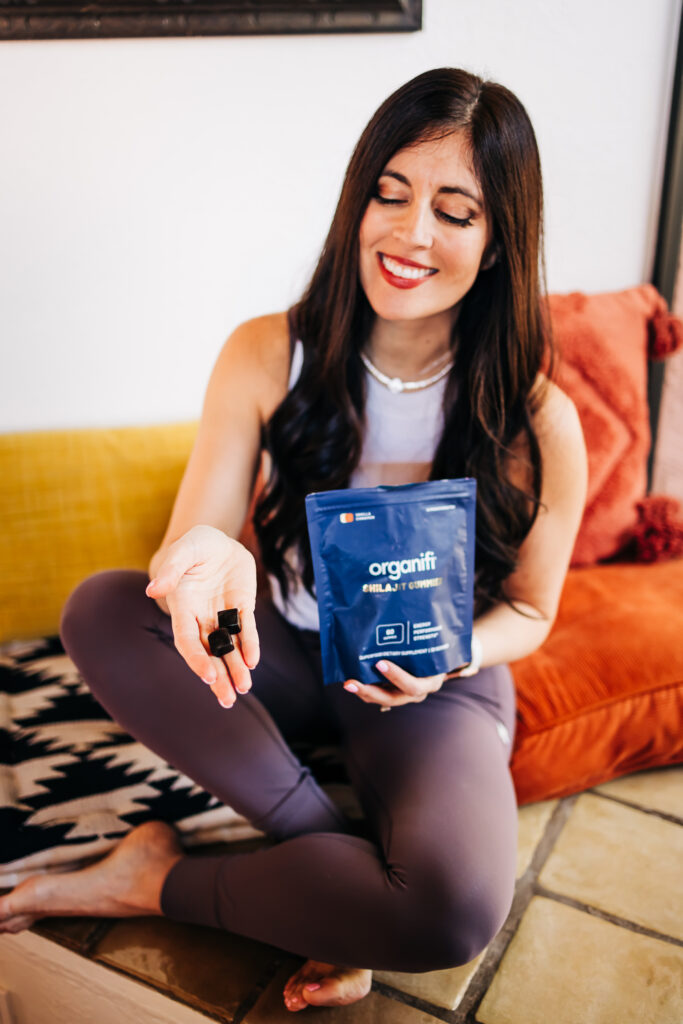
Organifi is having a huge sale, too! I LOVE their red juice, green juice, hydrogen water tablets, and shilajit gummies. This link will stack my discount code.

What is the best Shilajit + Shilajit Gummies

Stock up on this amazing remineralized mold-free coffee. I drink the decaf every single day. Decaf is usually gross – I’ve tried so many – and this one is DELICIOUS.

20% off sitewide at HigherDOSE! I’m a huge fan of the sauna blanket, PEMF Mat, red light face mask, and have been using the microcurrent body sculptor, too.

Read, watch, listen:

Downloaded this to my Kindle. I’ve read so many of her other books and loved them, so definitely needed to add this to the list.

What’s making you laugh lately?

Tips for a happier more present life.

Loving this podcast lately.

Fitness, health, and good eats:

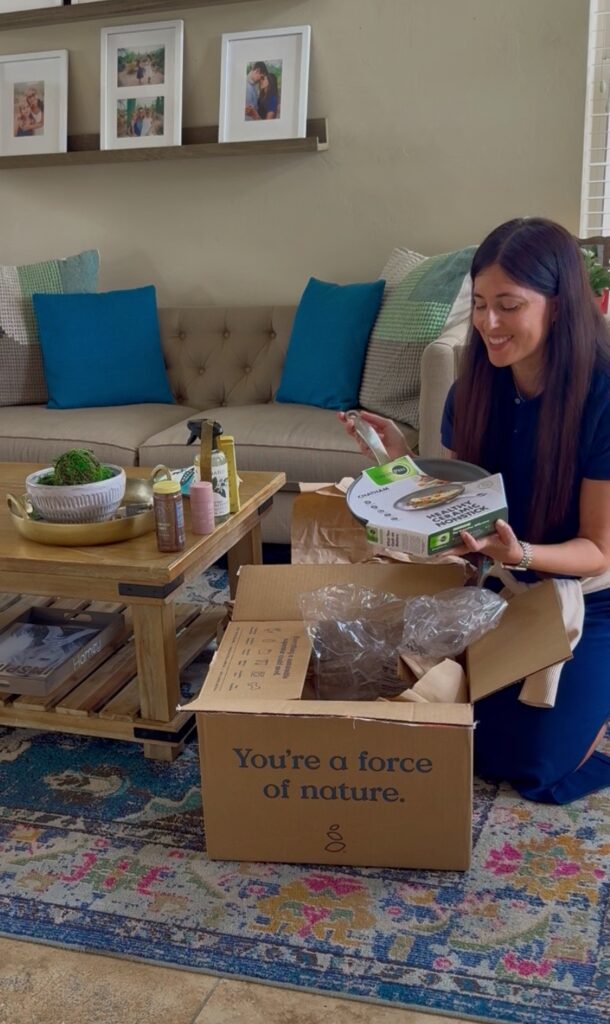
Grove products! Grove sent me some goodies to try and they have SO many of my favorite brands and products I’ve been wanting to try. I was able to experience some new things, including a perfect nontoxic pan, this Koala multi-purpose cleaner (the scent is lovely!!), this natural deodorant (it smells great, is gentle on my skin and actually works), and some tried-and-true faves like this Vitamin C + propolis (you can bet I brought the whole box for our trip).

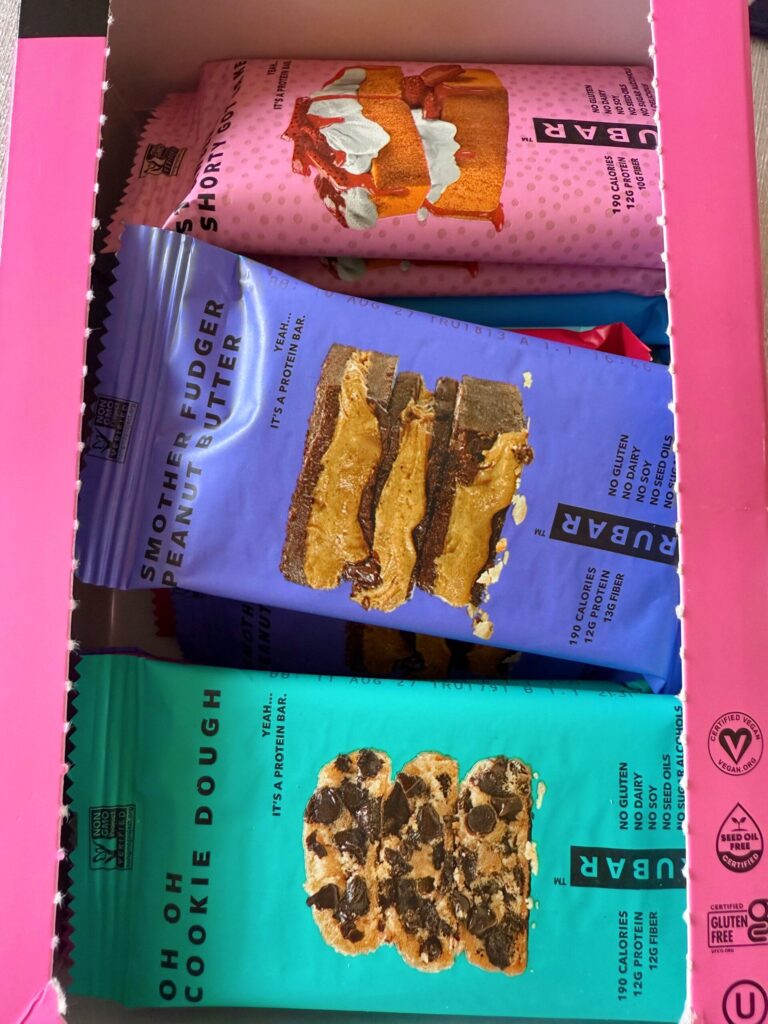
Trubars. I ordered some of these after our NYC trip. They’re like Aloha bars but gentle on my stomach (Aloha bars aren’t kind to me for some reason) and they have amazing flavors.

Got a comment on this vintage workout and figured I’d shout it out! It’s a burner for sure. Also, do you guys miss the fitness content and videos? I’m kind of feeling the itch to bring them back but I have no idea.

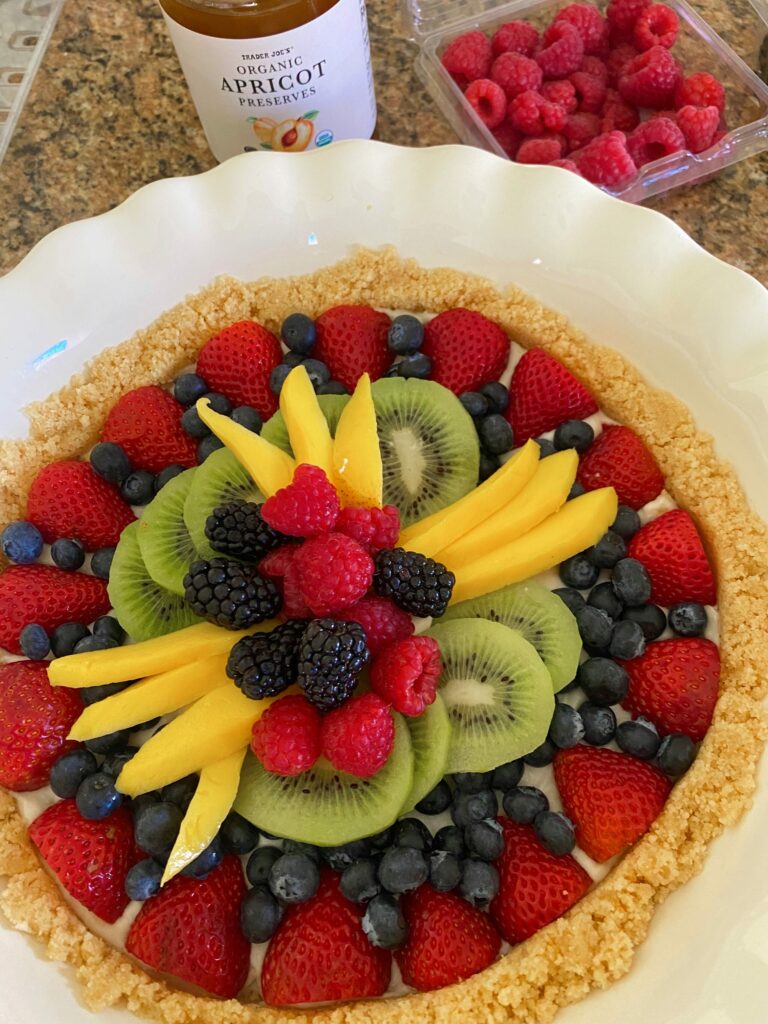
Add this tasty gf lemon and fruit tart to your weekend BBQ plans!

Thank you so much for stopping by the blog today! Have an amazing weekend and I’ll see ya soon!

xoxo

Gina

The post 5.23 Friday Faves appeared first on The Fitnessista.


from The Fitnessista https://ift.tt/UHBAb3r
https://ift.tt/ScjBhE7

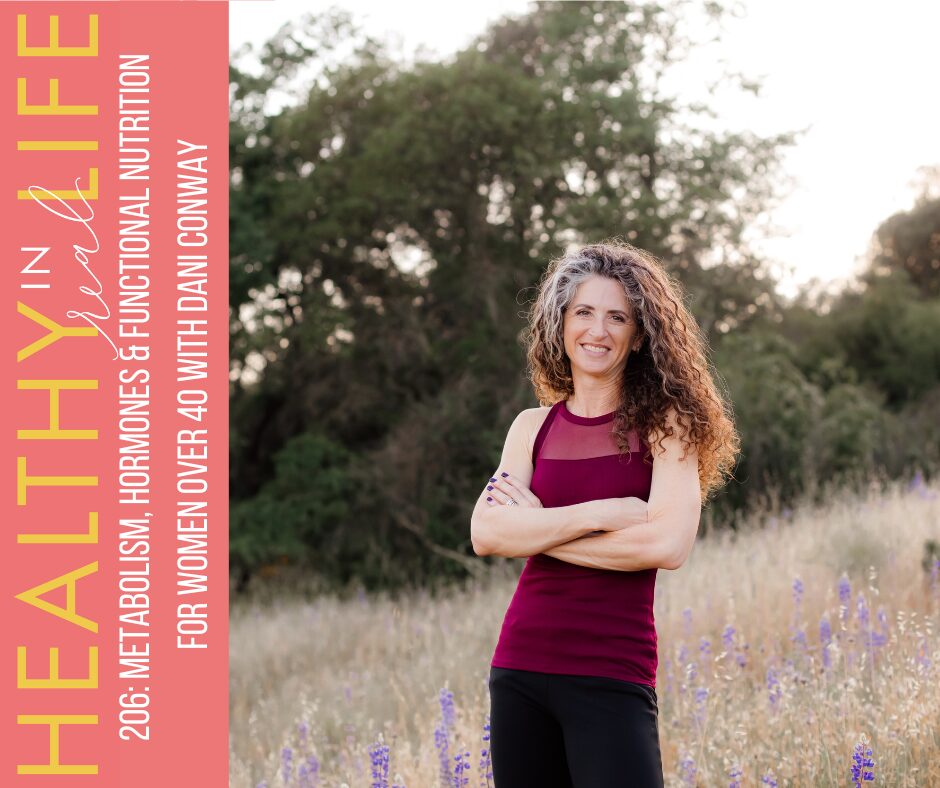
206: Metabolism, Hormones & Functional Nutrition for Women over 40 with Dani Conway

Hi friends!

I have a brand new podcast episode live, and today we are talking all about metabolism, hormones, and what it actually takes to feel good in your body after 40!

I’m sitting down with Dani Conway, board certified functional nutrition practitioner and founder of Nutrition the Natural Way. Dani lost 65 pounds herself after years of yo-yo dieting and gut and hormone struggles, and she has since spent her career helping thousands of women do the same. Her approach is rooted in testing, not guessing, and she has years of experience transforming thousands of women’s lives. I think you’re going to love her.

If you’ve ever felt like you’re doing all the “right” things but still feel stuck, exhausted, or like your metabolism just isn’t cooperating the way it used to, then check out what we chat about:

  • Why low calorie and low fat dieting can actually damage your metabolism long term and what to do instead
  • The role of protein and healthy fats in hormone production and sustainable weight loss
  • Why nutrition is the foundation everything else builds on, including gut health and hormone balance
  • How Dani approaches macros with her clients, from lower carb all the way to carnivore, and why there is no one-size-fits-all
  • Functional lab testing and why “testing not guessing” changes everything
  • The connection between gut health, hormones, and stubborn weight that won’t budge
  • Her take on peptides, which ones she uses with clients, why she always starts with minimum effective dose, and what to watch out for on social media
  • Her thoughts on GLP-1s and why they are never her first recommendation
  • How to know when your body is actually ready for more advanced interventions

And so much more.

It was so so great getting to talk with Dani and I hope you love this episode! If you’ve ever felt like you’ve tried everything and your body just isn’t responding, this one is for you!

___________________________________________________________________________

Dani Conway is a sought-after functional medicine expert, as well as a Board Certified Functional Diagnostic Nutrition Practitioner, who also holds many other credentials within the alternative health space. She is the founder of the Fat Burn Formula for Women Over 40, and has spent almost 20 years challenging the conventional western approach to women’s health, specializing in hormone optimization, metabolic nutrition, and sustainable fat loss for women over 40. Dani is also the owner of her practice, Nutrition the Natural Way, and has worked with thousands of clients, combining cutting-edge strategies with personalized protocols to deliver transformational results for all of the women she works with.

After overcoming her own 65-pound weight loss journey and healing severe hormone and gut dysfunction, Dani developed a comprehensive, innovative methodology that goes beyond the traditional diet mentality. Her “test don’t guess” approach utilizes customized nutrition protocols, advanced lab testing, and breakthrough strategies to address the root causes of metabolic dysfunction with a true focus on rebalancing the body from the inside out!

Through her signature programs and high-level private coaching, Dani has helped thousands of driven women – entrepreneurs, professionals, and moms – go from feeling fat, frustrated and fatigued to energized, balanced and comfortable in their skin. Her mission is to truly help midlife women “stop starving and start living” through science-backed solutions that create lasting transformation.

Dani initially earned her bachelor’s degree in Psychology before expanding her expertise across multiple areas of functional health. She holds various certifications in modalities of both functional nutrition and functional medicine, while continuing to stay at the forefront of her industry; proving that your 40s and beyond can absolutely be your most vibrant years yet!

Website: www.NutritiontheNaturalWay.com

Connect with Dani on:
FB: @NutritiontheNaturalWay

Partners:

Shop Oliveda here.

Try out luxury handbags and jewelry from Vivrelle and use my code GINAHARNEY for your first month free!

Check out We Feed Raw! Maisey goes crazy for this! I use it as a topper for her kibble or mix it into her pup loaf. You can try the raw version, the raw dehydrated kibble, and they’ll help you customize a plan for your pup. Use FITNESSISTA40 for 40% off your Meal Plan Starter Box here!

Check out my new favorite red light device here, and use the code FITNESSISTA for a huge discount. 

I’ve been using Nutrisense on and off for a couple of years now. I love being able to see how my blood sugar responds to my diet and habits, and run experiments. You can try out Nutrisense here and use GINA30 for 30% off.

If any of my fellow health professional friends are looking for another way to help their clients, I highly recommend IHP. You can also use this information to heal yourself and then go one to heal others, which I think is a beautiful mission. You can absolutely join if you don’t currently work in the health or fitness industry; many IHPs don’t begin on this path. They’re friends who are passionate to learn more about health and wellness, and want to share this information with those they love. You can do this as a passion, or start an entirely new career.

You can use my referral link here and the code FITNESSISTA for up to $250 off the Integrative Health Practitioner program. I highly recommend it!


The post 206: Metabolism, Hormones & Functional Nutrition for Women over 40 with Dani Conway appeared first on The Fitnessista.


from The Fitnessista https://ift.tt/OLktn1c
https://ift.tt/PZJSujk

Outfits from lately

Sharing a roundup of recent outfits that I’m loving! I’ve been a Rent the Runway Unlimited member for years. I like to think that it helps me to shop less. The verdict is still out on whether or not this is true. If you’d like to try it, you can get 50% off here. I love it for travel and events!

Hi hi! How are you? I hope that you’re having a lovely week. Today is packed with appointments with my beloved clients and I’m also putting the finishing touches on tomorrow’s workshop. It’s not too late to grab a spot here.

For today’s post, I wanted to share a roundup of recent outfits. Spring and summer fashion is a million times better (and easier!) than winter fashion for me. I just always feel so blah in sweaters and jeans, but bring out the dresses, shorts, and sandals, and I’m a happy gal.

We’ve also had a ton of travel lately. We went to Las Vegas, El Paso for the BTS concert, I went to NYC for work… and soon we’re heading to Seoul and Tokyo. (If you have any recs, especially gf dining recs, please send them my way!)

Here are some of the things I’ve been loving lately!

Outfits from lately

Ruti Jeans and cropped Veronica Beard sweater

I’ve worn this outfit a handful of times already. These jeans are my absolute favorite. They live up to the hype and yes they’re a splurge, but worth it. They have a little bit of stretch, fit perfectly TTS. I’m wearing a 4 petite.

Another pic of these jeans:

Veronica Beard shirtdress from Rent the Runway

wore this with heels for a meeting and then again with my old faithful Golden Goose sneakers and a Chanel handbag from Vivrelle (your first month is FREE here with the code GINAHARNEY. You will LOVE IT)

Ralph Lauren polo maxi dress

Love this dress as a throw-on option with a sweater around my waist, sneakers and sandals

Ralph Lauren Bear sweater and skirt

NYC outfit day one! I LOVE this bear sweater and can totally see why they’re so trendy right now. You can find it here but it was from RTR. I would have kept it but it’s already a billion degrees here in Tucson. I wore it with a skirt from Nordstrom Rack and sneakers.

Shirtdress

Shirtdresses are my go-to for so many things, especially work travel. It looks put-together without being over the top (even though I do love a blazer moment) and you can still wear it while exploring around.

Maksu dress with sandals

I bought this dress in Spain last summer and have been waiting for the perfect day to wear it. I got so many compliments – a few girls were asking if you could find it at Anthro – and can’t wait to check out more of their options. The quality – stitching, details, fabric – is INSANE.

Wrap dress and heels

Wore this for Liv’s graduation. This is a Rent the Runway find, too, and I looooove it. I honestly might keep this one because it arrived new with tags and I love the fit.

Sandro polo and jean shorts

Got these jean shorts at Aritzia and they’re my new favorites. The fit is perfect TTS, they’re not too long or short, and they were a reasonable price. Wore them with this polo and these Amazon sandals. 

How to navigate Rent the Runway

I was talking to a friend about RTR and she mentioned feeling overwhelmed because they have SO many different brands and options.

Here is how I do it!

– Whenever I’m browsing, I save items I love to my favorites folder. For example, I might be looking for everyday clothes but come across a dress that would be perfect for a work event, auction, or wedding. I immediately save it and then it’s waiting for me when the occasion arises.

– Check my favorites folder first. Since it’s already packed with things I love, II’ll use this for swaps. I have the 10 items per month plan, so I get five items, and can swap whenever I’d like for five different items.

– Check the new arrivals. I’ll browse this section and add items to my favorites folder. When you rent from this section, there’s a good chance that it will arrive new with tags, too!

– When I’m looking for items to rent, I search by brand. I have a handful of tried and true favorite brands and know I love the style and that they’ll fit. Here are the ones I always look for: Farm Fio (you know this is my number 1!), Veronica Beard, Hutch, Ulla Johnson, Rails, Maje (I feel like this one runs smaller), and Derek Lam. If something isn’t available, I’ll add it to my favorites folder and click the notification option to receive an alert when it’s back in stock.

If you want to give it a try, you can use this link for 50% off your first month. It’s perfect for summer travel and events!
xo

Gina

The post Outfits from lately appeared first on The Fitnessista.


from The Fitnessista https://ift.tt/Kg0ilPm
https://ift.tt/uaLgw0O

Why You’re Healthy But Still Sick (+ Join Me for a Free Workshop)

Join me for a free workshop this Thursday! Details here

Hi friends!

So you’re doing everything “right.”

You eat well. You take your supplements. You’ve probably overhauled your routine more than once. And yet  you still don’t feel like your best self. You’re tired, off, or just not quite you, and you can’t figure out why.

I know that feeling intimately, because I’ve lived it.

My own healing journey was full of moments where I thought I had finally figured it out – only to still feel like something was missing. I was doing all the things I was supposed to do, following all the right advice, and still struggling. It wasn’t until I started digging deeper – past the surface-level wellness advice and into the root causes that don’t always show up on a standard lab panel – that things finally started to shift for me. Gut health, parasites, the connection between what’s happening in your body and how you feel day to day – these were the pieces that changed everything.

And once I found my way through it, I couldn’t stop talking about it.

Since then, I’ve worked with clients who came to me exhausted, frustrated, and convinced they were just going to feel this way forever. What I’ve seen over and over again is that when we stop chasing symptoms and start asking the right questions, the body has an incredible capacity to heal. Sometimes it’s gut-related. Sometimes it’s something that’s been quietly lurking for years. Almost always, it’s something that never got addressed because nobody thought to look there.

That’s exactly why I’m hosting a free live workshop called Why You’re Healthy But Still Sick.

This isn’t going to be a list of more things to add to your plate or more rabbit holes to fall down. I’m going to walk you through some of the real, often-overlooked reasons why people who are doing all the things still aren’t feeling well and give you tangible next steps you can actually take. We’ll also have time for Q&A at the end, because I want this to feel like a real conversation.

Workshop details:

Thursday, May 21

10am PST / 1pm EST

Free to attend – grab your spot below

Click the link here to sign up.

If you’ve ever felt like your body is speaking a language you can’t quite translate please join us. I’d love to see you there!

xo, Gina

The post Why You’re Healthy But Still Sick (+ Join Me for a Free Workshop) appeared first on The Fitnessista.


from The Fitnessista https://ift.tt/ZPNRB25
https://ift.tt/6erGLgz

Signs of Low Progesterone (and What to Do About It)

I used to think low progesterone was something that happened to my clients but actually wouldn’t happen to me lol.

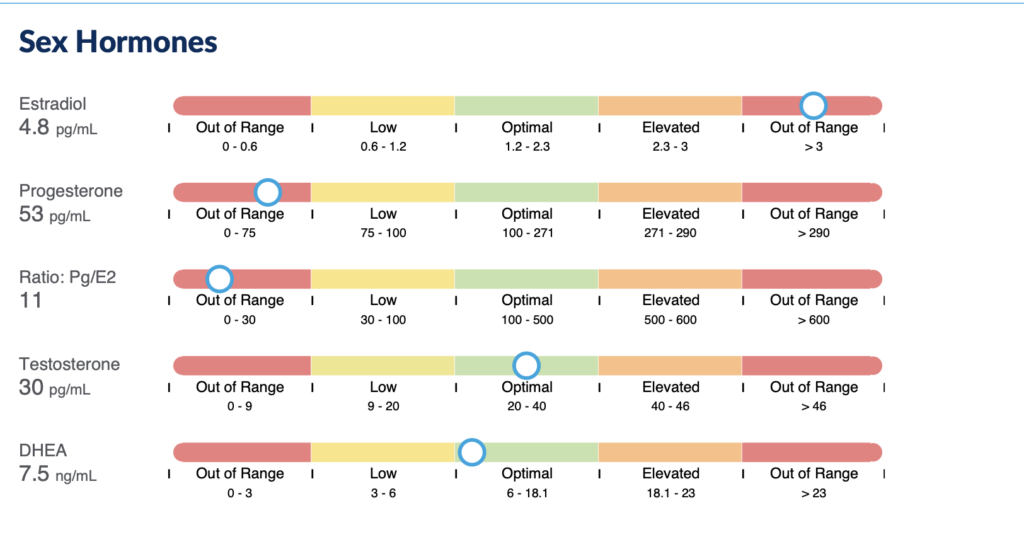
I had heard the stories, had helped women work through the symptoms, and understood the physiology. And then, sometime in my early 40s, it happened anyway. All of a sudden, I became inexplicably irritable and rage-y in a way that did not feel like me. My sleep – which had always been one of my superpowers – fell apart almost overnight. I went from sleeping like a happy baby to tossing and turning, wide awake at 2am with a racing mind and a low hum of anxiety I couldn’t shake.

I ran some functional lab testing and found that my progesterone was on the floor. I shouldn’t have been surprised, because it’s incredibly common for women in their late 30s and 40s and often goes completely unidentified because the symptoms look like stress, burnout, or just “getting older.”

If any of this sounds familiar, this post is for youuuuuu. As an Integrative Health Practitioner and women’s fitness specialist, I want to chat with ya about what low progesterone looks like, why it happens, how to test for it properly, and what you can actually do about it – naturally and beyond. (friendly reminder that this is NOT medical advice. As always, talk to your doctor before making any changes with your routine.)

In This Post

  • What Progesterone Actually Does
  • Signs and Symptoms of Low Progesterone
  • What Causes Progesterone to Drop
  • How to Test Your Progesterone Levels (and Why Timing Matters)
  • How to Support Progesterone Naturally
  • When Natural Support Is Not Enough
  • FAQ

What Progesterone Actually Does

Before we talk about what happens when progesterone is low, it helps to understand why this hormone matters so much in the first place.

Progesterone is often called the calming hormone, and for good reason. It works as a natural counterbalance to estrogen – while estrogen is stimulating and growth-promoting, progesterone is stabilizing and protective. It is produced primarily after ovulation, during the second half of your menstrual cycle (called the luteal phase), and it does a remarkable number of things in the body:

  • Supports deep, restorative sleep by converting to a compound called allopregnanolone, which activates the brain’s calming GABA receptors
  • Acts as a natural anti-anxiety agent through those same GABA pathways
  • Regulates mood and reduces PMS symptoms
  • Helps maintain regular menstrual cycles
  • Protects against estrogen dominance
  • Has anti-inflammatory and neuroprotective properties
  • Supports thyroid function
  • Has anti-growth and anti-tumor properties, making it genuinely protective for long-term health

When progesterone starts to decline, which happens gradually throughout our 30s and more dramatically as we approach perimenopause, all of these functions are affected. That is why the symptoms can feel so widespread and confusing.

Signs and Symptoms of Low Progesterone

This is the list I wish someone had handed me years ago! Low progesterone can show up in so many ways that women often chalk it up to stress or aging rather than recognizing it as a hormone issue.

Sleep Problems

This was my biggest signal. Progesterone helps your brain wind down and stay in deeper stages of sleep. When levels drop, sleep becomes lighter, more fragmented, and less restorative. Many women notice they wake between 2am and 4am and cannot fall back asleep. If you have gone from a solid sleeper to someone who dreads bedtime, low progesterone is worth investigating.

Anxiety and Irritability

Because progesterone supports GABA activity in the brain, low levels can feel like a low-grade anxiety that seems to come from nowhere – or a short fuse and emotional reactivity that does not feel like you. I describe my experience as feeling rage-y in a way that was genuinely out of character. If you find yourself snapping more easily, feeling on edge, or experiencing a kind of free-floating worry, this is a classic low progesterone pattern, especially if it is worse in the second half of your cycle.

Short Menstrual Cycles

This one is a key clinical sign that does not get talked about enough. Progesterone is only produced after ovulation, so if your luteal phase (the time between ovulation and your period) is shrinking, your progesterone is likely low. Cycles that are 24 to 25 days long instead of 28 to 30 are often a sign of a shortened luteal phase and inadequate progesterone. My own cycles had shortened noticeably before I got my levels tested and once I addressed my progesterone, they normalized back to 28 days.

Worsening PMS

If your premenstrual symptoms are getting worse with age – more bloating, more breast tenderness, more mood swings, more cramps – that is often a progesterone story. PMS intensifies when estrogen is not being adequately balanced by progesterone in the luteal phase.

Heavy or Irregular Periods

Progesterone stabilizes the uterine lining. Without enough of it, the lining can build up excessively (thanks to unopposed estrogen), leading to heavier bleeding, clotting, or spotting between periods.

Hot Flashes

Hot flashes are not just a menopause symptom – they can show up during perimenopause when progesterone is declining, even if estrogen is still relatively normal. If you are in your late 30s or early 40s and experiencing warmth or flushing, it is worth looking at your full hormone picture.

Low Libido

Progesterone plays a role in sexual interest and drive. Low levels can show up as a general disinterest in sex, especially in the second half of your cycle.

Weight Gain and Bloating

Without progesterone’s balancing effect, estrogen can promote fluid retention and fat storage, particularly around the midsection. If your weight has been creeping up without clear explanation, hormones may be part of the picture.

Headaches and Migraines

Progesterone has vascular and neuroprotective properties. When it dips in the luteal phase, many women notice an increase in headaches or menstrual migraines.

Fatigue

Poor sleep plus hormonal imbalance equals exhaustion. If you are tired no matter how much rest you get, and the fatigue is worse in the weeks before your period, low progesterone could be a contributing factor.

What Causes Progesterone to Drop

Understanding the root causes matters, because if you only address symptoms without addressing causes, you are going to keep running uphill.

Here are the most common drivers I see in my practice:

Chronic Stress (This Is the Big One)

Your body has to feel safe to make progesterone. That is not just a nice idea; it is physiology. When you are chronically stressed, your adrenal glands prioritize producing cortisol, your primary stress hormone. The problem is that cortisol and progesterone share the same hormonal building block (pregnenolone), and when cortisol demand is high, the body essentially steals from progesterone production to keep up. This is sometimes called the “pregnenolone steal” and it is one of the most common drivers of low progesterone I see, especially in high-achieving, always-on women.

Stress does not just mean emotional overwhelm either. Undereating, over-exercising, poor sleep, and toxic exposures all count as physiological stress. Your body cannot tell the difference between a deadline and a famine – it just knows it does not feel safe, and it downregulates reproductive hormones accordingly.

Perimenopause and Aging

Progesterone is actually the first hormone to decline as we approach perimenopause, often starting in our mid-30s, years before estrogen drops and before periods become irregular. This is why so many women in their late 30s and 40s start experiencing symptoms they cannot explain. Their estrogen may still be totally normal, but the progesterone that should be balancing it has quietly started declining.

Anovulatory Cycles

Progesterone is only made after ovulation. If you are not ovulating (which can happen due to stress, undereating, thyroid issues, or PCOS), you are not producing meaningful progesterone – even if your cycle appears regular on the outside.

Gut Imbalances

This connection is underappreciated but really important. Hormones including progesterone are produced and converted in part through the gut. If there are imbalances in your gut microbiome – dysbiosis, leaky gut, poor elimination – your body’s ability to properly produce, use, and clear hormones is compromised. A specific collection of gut bacteria called the estrobolome is responsible for metabolizing estrogen. When it is disrupted, estrogen can recirculate rather than clear, creating a relative progesterone deficiency even when progesterone itself is not technically low.

Thyroid Dysfunction

The thyroid and reproductive hormones are deeply connected. Low thyroid function can impair ovulation and reduce progesterone production, which is why thyroid testing should always be part of a hormone workup.

How to Test Your Progesterone Levels (and Why Timing Matters)

Here is something I feel strongly about: most conventional progesterone testing is done incorrectly, and this leads to a lot of women being told their levels are “normal” when they are actually struggling.

Many doctors order a blood test for progesterone at a random point in the cycle – or even on day 3 alongside estrogen and FSH. But progesterone fluctuates dramatically across the cycle. Testing it at the wrong time tells you almost nothing. Progesterone is naturally low in the first half of your cycle (the follicular phase), so a low result drawn on day 5 is completely expected and not diagnostic of a problem.

The right time to test is during the mid-luteal phase, around days 19 to 21 of a 28-day cycle. This is when progesterone should be at its peak, and it is the only time a low result is actually meaningful.

Why I Prefer Saliva Testing

Beyond timing, I also prefer saliva testing over blood testing for progesterone, and here is why. Almost all of the progesterone circulating in the bloodstream is bound to carrier proteins, which means it is not bioavailable – it cannot actually act in your cells. Saliva testing measures the free, unbound hormone that is available to do its job in the body. It gives you a much more accurate picture of what your tissues are actually experiencing.

If you want to dig into your hormone health with real data rather than guessing, testing is the place to start.

How to Support Progesterone Naturally

Whether you are in the early stages of noticing symptoms or actively working to rebuild your levels, there is a lot you can do. I always start with foundations before reaching for supplements, because foundations are what make everything else work.

Prioritize Stress Management (Non-Negotiable)

I know “manage your stress” sounds like advice you have heard a thousand times. But when it comes to progesterone specifically, it is not optional. If your nervous system is in chronic fight-or-flight mode, your body is going to keep prioritizing cortisol over progesterone, period. You have to give your body the signal that it is safe.

What this looks like in practice:

  • A consistent sleep schedule (your body makes hormones on a schedule)
  • Daily parasympathetic activity – walks, breathwork, gentle yoga, meditation, time in nature
  • Not over-exercising (high-intensity training every day is a stressor, especially for women with hormone imbalances)
  • Eating enough – chronic undereating is a major hormonal stressor that many health-conscious women overlook

Eat to Support Progesterone: Fruits and Roots

A simple framework I love for progesterone support is “fruits and roots.” This refers to the kinds of whole, nourishing foods that provide the raw materials your body needs to make and regulate hormones.

Key nutrients for progesterone production:

  • Vitamin C: The ovaries contain some of the highest concentrations of vitamin C in the body, and it plays a direct role in progesterone synthesis. Think citrus fruits, kiwi, red bell peppers, strawberries, and broccoli.
  • Vitamin B6: Supports hormone balance and helps the liver clear excess estrogen. Found in chickpeas, bananas, potatoes, poultry, and leafy greens.
  • Zinc: Stimulates the pituitary to release FSH, which supports ovulation and therefore progesterone production. Pumpkin seeds, cashews, and grass-fed beef are great sources.
  • Magnesium: Helps lower excess estrogen and supports progesterone indirectly. Found in leafy greens, dark chocolate, pumpkin seeds, and avocado. Most women are deficient and benefit from supplementing with magnesium glycinate. This is my favorite magnesium. 
  • Healthy fats: Hormones are built from cholesterol, so you need adequate healthy fats to produce them. Avocado, olive oil, fatty fish, nuts, and seeds are your friends.

Root vegetables – sweet potato, yam, squash, beets – are also wonderful because they provide stable, complex carbohydrates that support blood sugar balance, which in turn supports healthy hormone rhythms.

Support Your Gut

Because hormones are produced and converted in the gut, gut health is hormone health. Focus on fiber (especially from vegetables and legumes), fermented foods like sauerkraut and kefir if tolerated, and reducing things that disrupt the gut microbiome like alcohol, processed foods, and unnecessary antibiotic use. If you suspect deeper gut issues, functional testing can be incredibly eye-opening.

Consider Seed Cycling

Seed cycling is a practice of eating specific seeds during each phase of your menstrual cycle to support hormone production and balance. During the second half of your cycle (the luteal phase, days 15 to 28), sesame seeds and sunflower seeds are traditionally used to support progesterone. It is a gentle, food-based approach that many women find helpful, especially when combined with other lifestyle changes.

Herbal Support

Several herbs have a long history of supporting progesterone and overall hormone balance. Vitex (also called chasteberry) is one of the most well-researched. It works by supporting the pituitary’s release of LH, which stimulates ovulation and therefore progesterone production. It is generally best suited for premenopausal women with luteal phase issues rather than women who are already in perimenopause or beyond.

I used herbal support as my first step when I noticed my progesterone declining, and it worked well for a period of time. Herbs can be a great starting point, especially for women who are earlier in the hormonal transition.

When Natural Support Is Not Enough

I want to be real with you here, because I think there is sometimes unnecessary stigma around hormone support, and I have lived this personally.

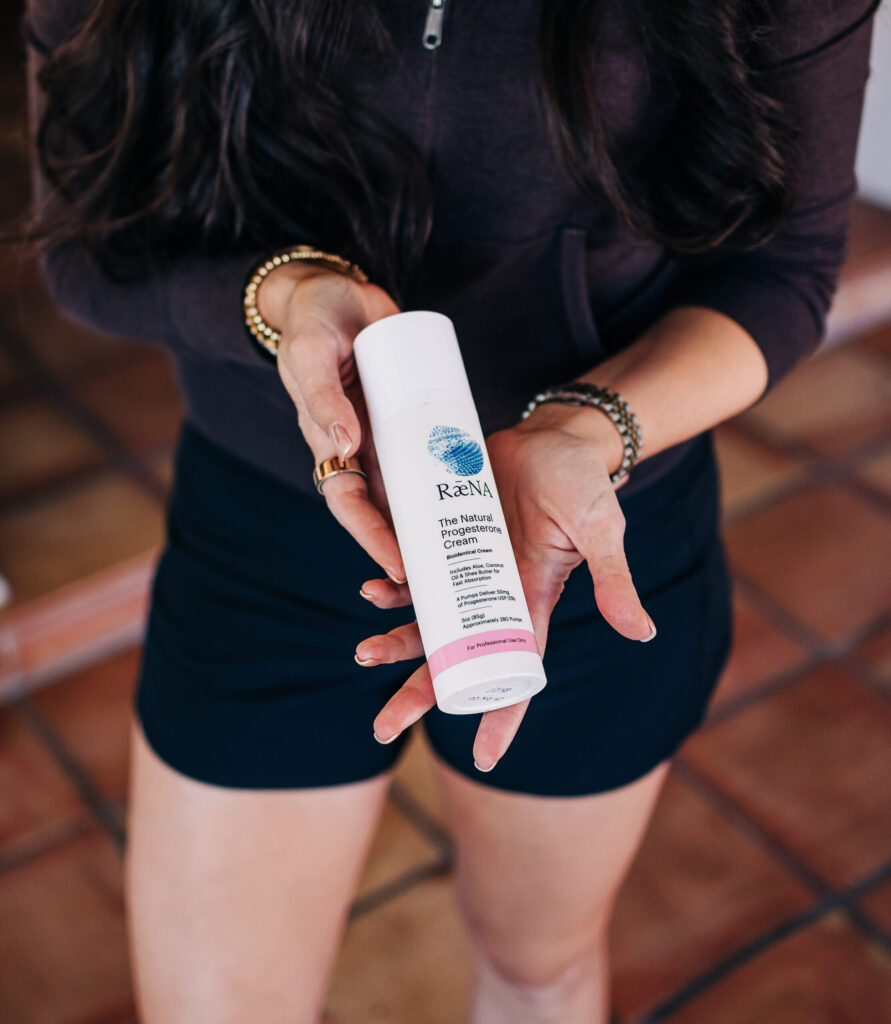
I started with herbal support and it helped for a while. But as my levels continued to decline, I eventually transitioned to topical progesterone, and it has genuinely changed my quality of life. I use Raena, which I love, and I only use it during the second half of my cycle – the luteal phase. The difference has been remarkable. I sleep so deeply during this time. I feel calm and even in a way that I had started to think was just gone. My cycles normalized from 24 to 25 days back to a full 28 days.

Bioidentical topical progesterone is not the scary thing it is sometimes made out to be – especially when used in physiologic doses to restore what your body is no longer making on its own. I wish more women knew that this option exists and that it does not have to feel like a last resort. Getting your levels tested first is key, so you know what you are working with and can track your response over time.

If you are not sure where to start with all of this, working with a practitioner who understands functional hormone testing and bioidentical hormone support can save you years of guessing. This is exactly the kind of work I do with my 1:1 clients – connecting your symptoms to your lab data and building a personalized plan from there. If you’re interested, send me an email gina@fitnessista.com subject TESTING.

FAQ

What are the most common signs of low progesterone?
The most common signs include poor sleep (especially waking in the night), anxiety or irritability, worsening PMS, short menstrual cycles, heavy periods, and low libido. Many women notice these symptoms intensifying in the week or two before their period, which corresponds to the luteal phase when progesterone should be at its highest.

Can low progesterone cause weight gain?
Yes, indirectly. Without enough progesterone to balance estrogen, the body tends to retain more fluid and store more fat, particularly around the midsection. Progesterone also supports thyroid function, and a sluggish thyroid can contribute to weight changes.

How do I know if my progesterone is low?
Testing is the only way to know for certain. The most important thing is to test at the right time – around days 19 to 21 of your cycle – when progesterone should be at its peak. Saliva testing or the DUTCH test can give you a more complete picture than a standard blood draw.

What is the fastest way to increase progesterone naturally?
There is no true shortcut, but the highest-impact steps are reducing chronic stress, eating enough (especially vitamin C, zinc, B6, magnesium, and healthy fats), supporting gut health, and prioritizing sleep. These create the conditions your body needs to produce progesterone. Herbs like Vitex can also help, particularly for premenopausal women.

Is low progesterone common in perimenopause?
Extremely common and it is often the first hormone to decline, sometimes years before estrogen drops or periods become irregular. Many women in their late 30s and early 40s have low progesterone while their estrogen is still completely normal. This is why symptoms can show up so much earlier than women expect.

Can stress cause low progesterone?
Yes, significantly. Chronic stress elevates cortisol, which competes with progesterone for the same hormonal building blocks. This is sometimes called the pregnenolone steal. Chronic undereating, over-exercising, and poor sleep all have a similar effect because the body treats them as physiological stress.

What is the difference between saliva and blood testing for progesterone?
Blood tests measure total progesterone, most of which is bound to carrier proteins and not available to act in the body. Saliva testing measures free, bioavailable progesterone – the fraction that your tissues can actually use. Many functional practitioners prefer saliva or dried urine testing (DUTCH) for this reason, as they give a more accurate picture of what your body is actually experiencing.

Does gut health affect progesterone?
Yes, and this connection is underappreciated. Hormones are produced and metabolized in part through the gut. If there are imbalances in the gut microbiome, your body’s ability to produce, convert, and clear hormones – including progesterone – is impaired. Supporting gut health is a foundational piece of hormone balance.

Disclaimer: I am an Integrative Health Practitioner and women’s fitness specialist, not a physician. Nothing in this post constitutes medical advice. Please work with a qualified healthcare provider before making changes to your hormone support protocol.

The post Signs of Low Progesterone (and What to Do About It) appeared first on The Fitnessista.


from The Fitnessista https://ift.tt/YvDzVIQ
https://ift.tt/NVHSjZz

Most Viewed

Yoga For Healing...TakeYour Next Step To Wellness

Popular Posts